My Story
The arc of innovation is built on resilience.
A journey from the heart of the southern mountains to the global stages of research and leadership. Not a timeline — a testament to the power of curiosity and the discipline of empathy.
Chapter 01 · The beginning
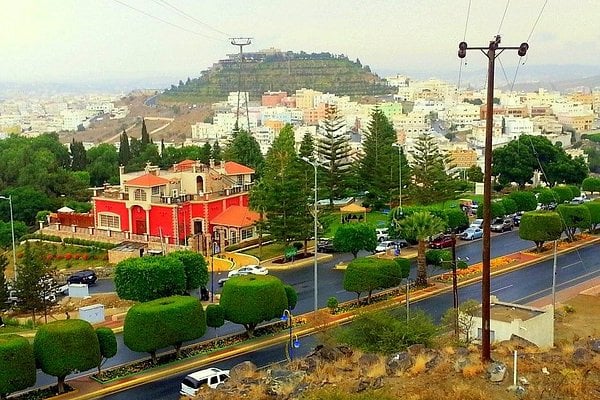
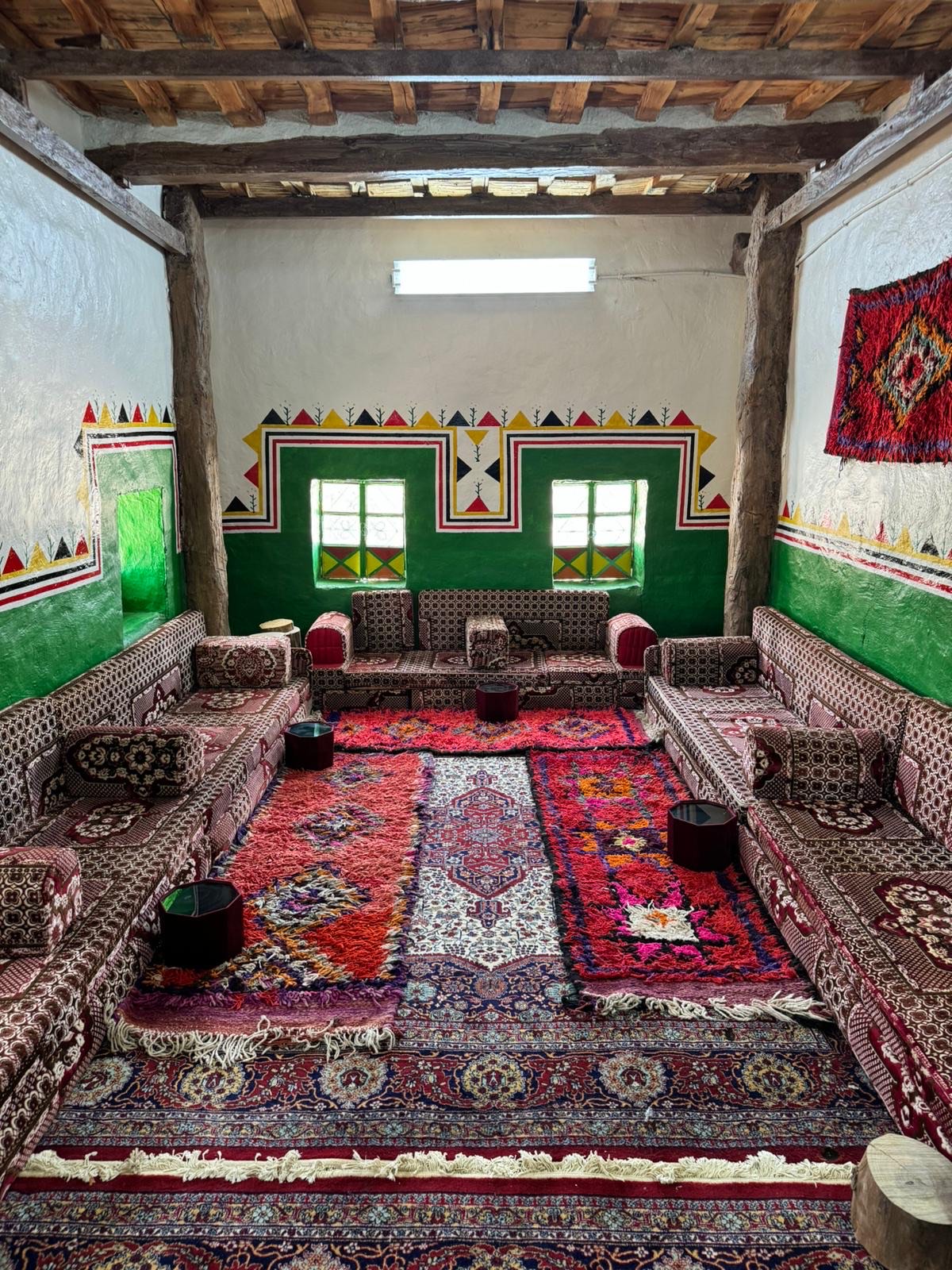
Abha & Sarat Abidah
I was born in Abha — a cold, cloudy city in the mountains of the south. But I'm originally from the beautiful Sarat Abidah.
Before I knew the word "potential," the people around me seemed to sense it — and they weighed me by saying I have it.
On my first day of first grade at the 35th public elementary school, I turned to my mother during orientation and told her: you can go home now. I loved school from day one. I loved it so loudly, in fact, that some teachers mistook my energy for chaos. I accepted all challenges and appeared courageous.
One of my teachers decided to test me. She asked if I was ready to take a hard exam at the principal's office — right now, no preparation, no context. Being me, I said: sure, let's go! She walked me all the way to the principal's door, watching for the moment I would turn back.
I never did.
At the door, she handed me a chocolate and sent me back to class. She wasn't testing my knowledge. She was testing my courage.
I passed.
Chapter 02 · Age 7
The first stage
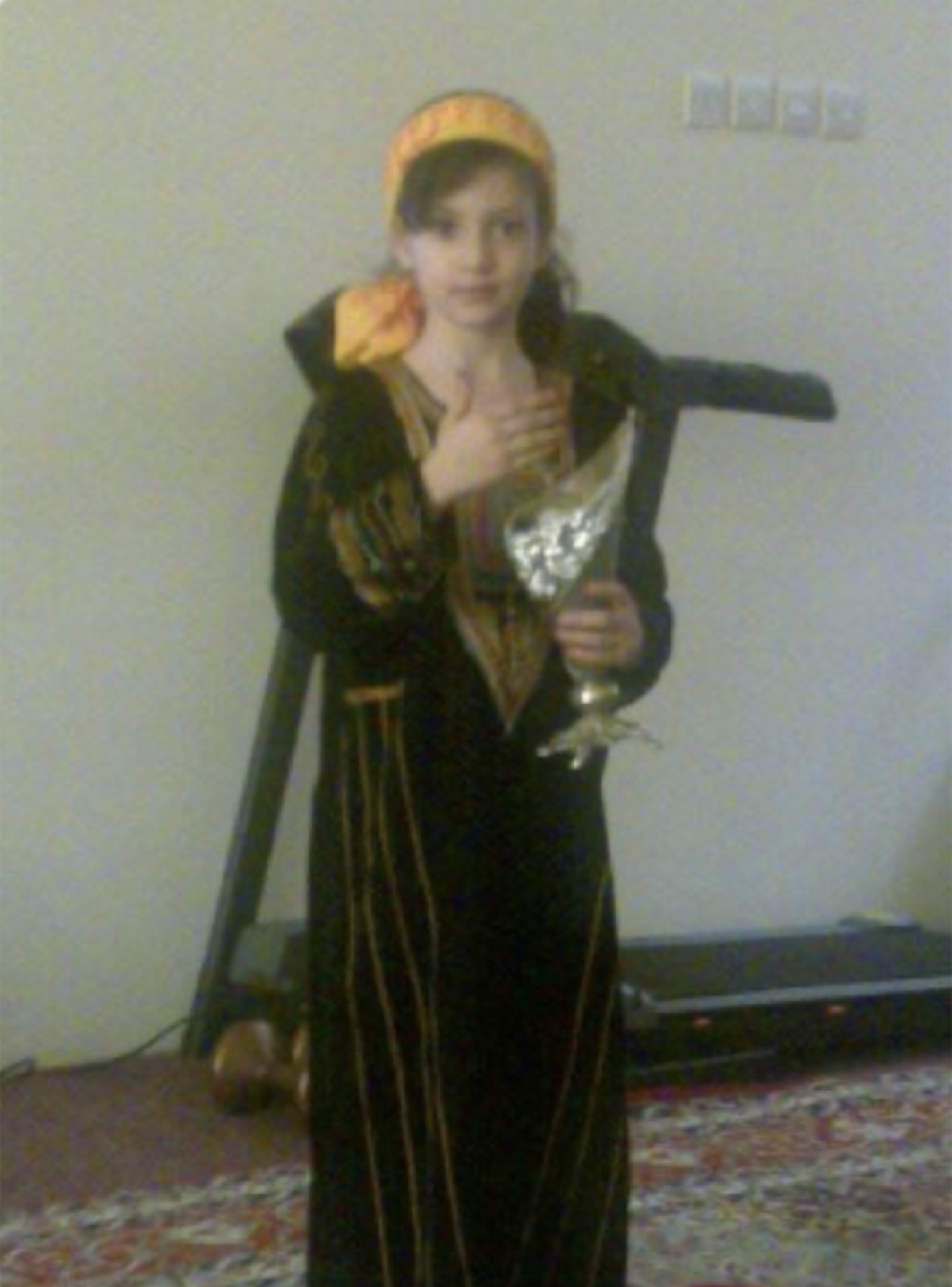
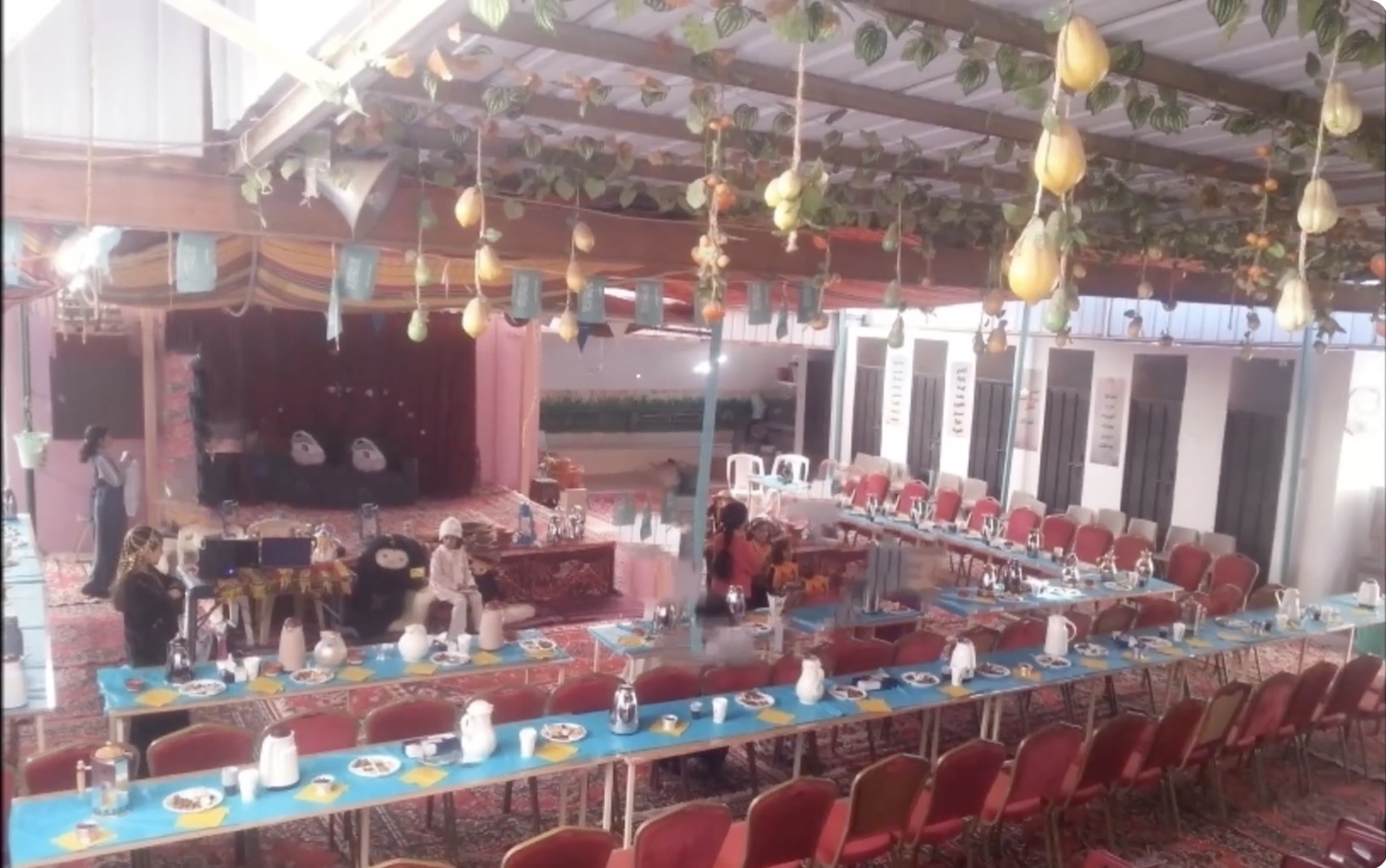
My first stage was a Grandmothers' Day celebration.
My mother — a poet who has carried Saudi Arabia's voice into the Gulf and international media through her verses — wrote me a poem on notebook paper. I rehearsed it so many times the page looked like a treaty from the 1970s.
Moments before I went on, my principal saw me clutching that tortured paper. She took it from my hand.
She looked at me with trust and firmness — that firm, loving resolve — and said: honey, you can do it without the paper.
I was terrified. I wanted that paper more than anything at that stage.
She took my hand, led me to the stage, and gave my back a gentle push.
I recited it from memory. They liked it and asked me to recite it again. My grandmother was in the audience. I felt like a butterfly. I enjoyed every second — and them asking me to recite it again made me even happier.
And I learned something that day that has never left me: the power of words — how it changes the presence of the room and touches the emotions of each and every person you address. From then on, the stage was my instrument and my joy — national day poems, morning broadcasts, ceremonies, awareness campaigns. That day I found my voice — and I have used it for everything I believed was worth saying.
Chapter 03 · 2011–2012
The folder
In third grade, my father — an esteemed professor of leadership who built himself from the ground up — had piles of thick black folders all around his office. I asked him what they were for, and he explained: they are (problems & solutions) — aka research papers. I told him I wanted to do the same. So he emptied one of his black folders, handed it to me, and asked me to keep all of my ideas and solutions in it.
Inside it: inventions sketched by small hands. No methodology. No literature review. Just problems — and the ideas I believed could solve them.
I showed it to my teachers. It caught their interest — they showed it to the principal, and she asked them to bring me everything and anything I needed to prototype my ideas. One of those sketches was a voice-activated system to help people with disabilities navigate electronics. It was 2011. I had imagined Siri before I ever heard of her.
Because even then, the point was never the technology. The point was the person who needed it.
The tools would change — deep learning, computer vision, chatbots, smart glasses. The question never has:
Who does this help?
Chapter 04 · 2012
Half a sandwich and a promise
That same year, the principal called my mother. There was an assessment she believed I should take — the Mawhiba Qiyas measure. A gateway to scholarships, she explained. A gateway, though we didn't know it yet, to everything I needed.
At the exam station, I remember the other girls clutching booklets, revising math problems.
My preparation? Half a sandwich and a juice box — عصير ربيع.
My mother saw the difference. She worried for a moment — I worried too — but then she pulled me close, squeezed my shoulders, and said:
"Do your best — and your best is great."
I went in. I finished as fast as they would let me. I came out. She asked how it went.
I said: I had fun.
Weeks later, the call came. I hadn't just passed — I had scored in the top 0.25% of students in Saudi Arabia. My first full Mawhiba scholarship followed in 2012 — the first of three (2012, 2015, 2018) that would carry me through school. That year I also represented my school at the 21st Elementary Curriculum Forum in Abha — a huge deal for me, to be given a seat at the table with grown-ups and explain what we aspire to learn in our curriculum and why it matters.
There is a verse I keep repeating to this day:
من يندب الحظ يطفئ عين همته — لا عين للحظ إن لم تبصر الهمم He who blames luck extinguishes the light of his ambition — luck cannot see you unless it sees your determination.
Luck did not sit that exam. Determination did — fed on half a sandwich.
Chapter 05 · 2013–2018
Riyadh: a new city, a new language
In fifth grade, the gifted path carried me from the mountains of the south to the capital.
Riyadh was a new world, far outside my comfort zone — and the sharpest edge of it was English. I arrived with almost zero English education, seated among girls who had studied it since kindergarten. They were studying literature while I was structuring sentences.
So I made myself a promise: a great grade, my very first semester, alongside them.
And I did it. First semester: A−. Second semester: A+.
And somewhere in that climb, English stopped being my gap and became my favorite subject — the same language I would one day use to defend research before international judges, to address global forums, to deliver official speeches in the name of Saudi youth. The language that once intimidated me became one of my instruments.
The pace only accelerated. I fell in love with science and trained seriously in chemistry, coming within reach of the KAUST advanced program — until life took a turn in middle school, and that path closed. But discipline, once learned, doesn't leave you. It just changes address: second place in the Science Olympiad across North Riyadh in 2017, and first place in 2018.
The stage kept calling too. School theater. Elocution and improvisation competitions. First place in the National Day competitions of Ru'ya Watan (2017). The Leaders Forum. The Quality & School Accreditation Forum. At fourteen, I organized the Digital Addiction Forum for the North Riyadh education office — my first time building an awareness platform instead of just speaking on one. An early echo of everything that came later. In 2018, I was chosen Ambassador of the Positive Behavior Enhancement Program, and invited to tell my story in a talk called "A Gifted Experience" — a gifted student, now showing other students what was possible.
That year, 9th grade closed with the honor that reshaped everything: the Crown Prince Mohammed bin Salman scholarship to complete high school at Riyadh Schools.
(Somewhere in those years, I wrote my first CV. Under "Goals": a high GPA, and a scholarship to Harvard University. I was in middle school. I meant every word.)
Chapter 06 · 2018–2021
Riyadh Schools: pressure, first jobs, and a painting
High school brought the kind of pressure that comes with a scholarship bearing the Crown Prince's name.
I answered it: 99.55% GPA. First Honors. IELTS band 7 on the side.
But I learned early that I don't only study — I build. From January 2018 to March 2020, still a teenager, I worked as an assistant at REFD Establishment — reviewing and editing published books, designing covers, managing communications. In summer 2020, I tutored 100 students learning English at Albaraa Nasser Academy — my first taste of teaching, a thread I would pick up again at university. In September 2020, I was selected for Talmatha, Mawhiba's highly competitive research program — sharpening exactly the instincts I was about to need.
Giving back was part of those years too: volunteering with the Riyadh Rehab Center, the Riyadh Schools volunteering team, the Layali Al Mamlakah event with Bunyan, and a voluntary initiative teaching modern technology programs. Because technology, for me, was always something to be shared — never something to be kept.
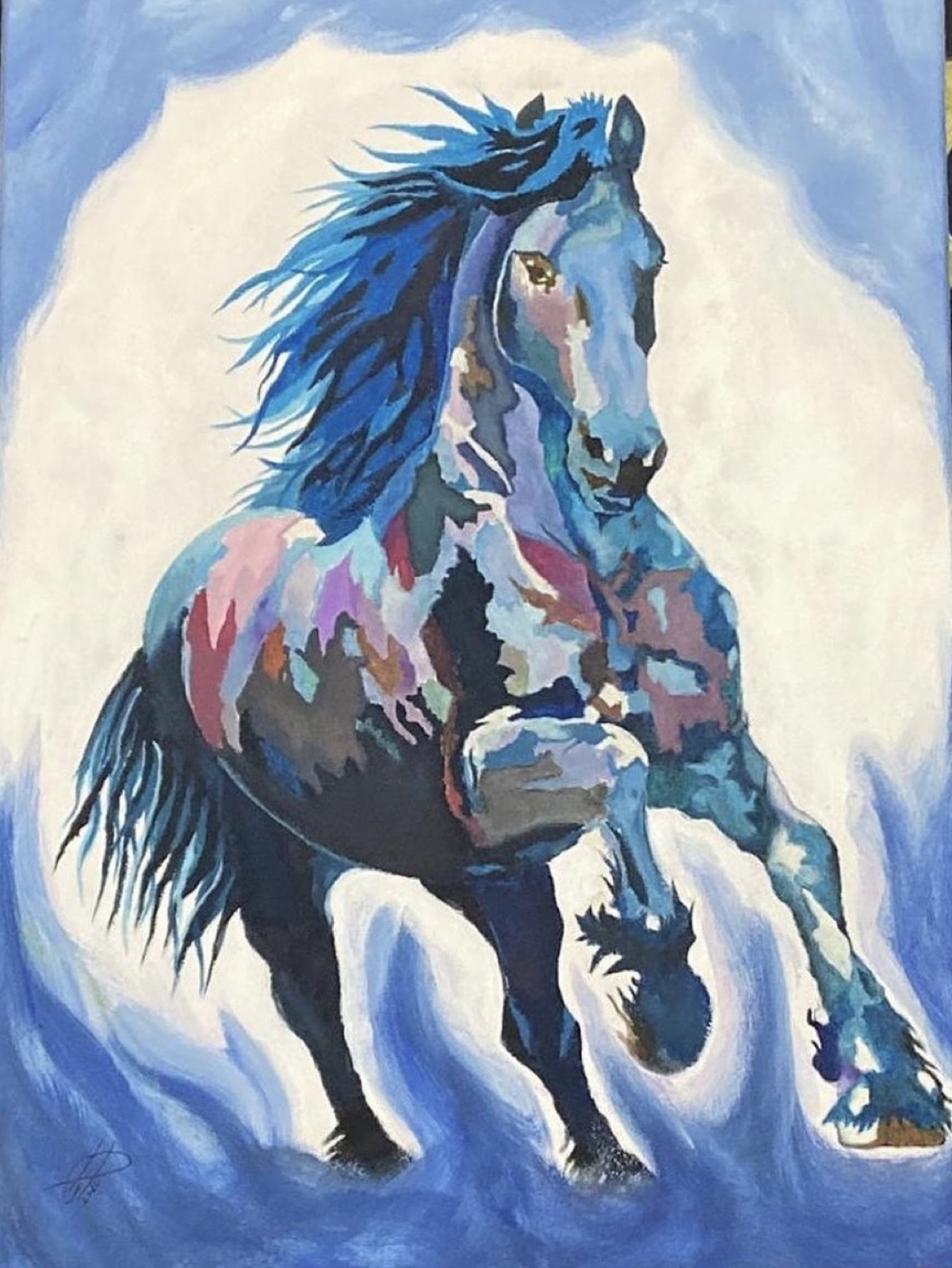
And when the pressure peaked, I went back to drawing. One summer, I painted a horse from a Pinterest picture — I have this weird habit of drawing once every other year, or when stressed — and displayed it in our school gallery. That canvas was shown to HRH Prince Turki bin Khaled Al-Faisal, and I had the honor of explaining why I drew it and how. He then asked for it to be exhibited at the Horses World Cup 2019 — and provided me with tickets.
Even my detours carried the same signature: something made with care, meant to move people.
Chapter 07 · 2020–2021
The game, the olympiad, and ISEF
As a Mawhiba student, I wanted to end high school with a mark that would outlast me. Through Ibdaa — the national olympiad for science and creativity — I committed to the most serious project of my young life:
A video game feature that assesses generalized anxiety disorder in adolescents.
I had seen anxiety in the lives around me. I had felt it myself — a straight-A student trying to keep perfection. And I had seen how stigma stood between my generation and the help it deserved. So I asked a simple question: what if the assessment could live where teenagers already feel safe — inside a game?
I spent an entire summer teaching myself research design, clinical trials, psychology, and game development. People doubted the idea. Some resisted the very notion of psychology meeting gaming. At the time, only two or three studies in the world had combined the two.
I built it anyway.
I adapted the Taylor Manifest Anxiety Scale — cold, clinical true/false statements — into choose-your-own-adventure scenarios inside Minecraft: Story Mode. I surveyed more than 500 peers. I guided 35 participants through the demo and showed that the game's results tracked with the established scale. At one point I was juggling final exams and 35 booked Zoom calls, with a printed copy of my calendar behind my laptop — so that even a power outage couldn't stop me.
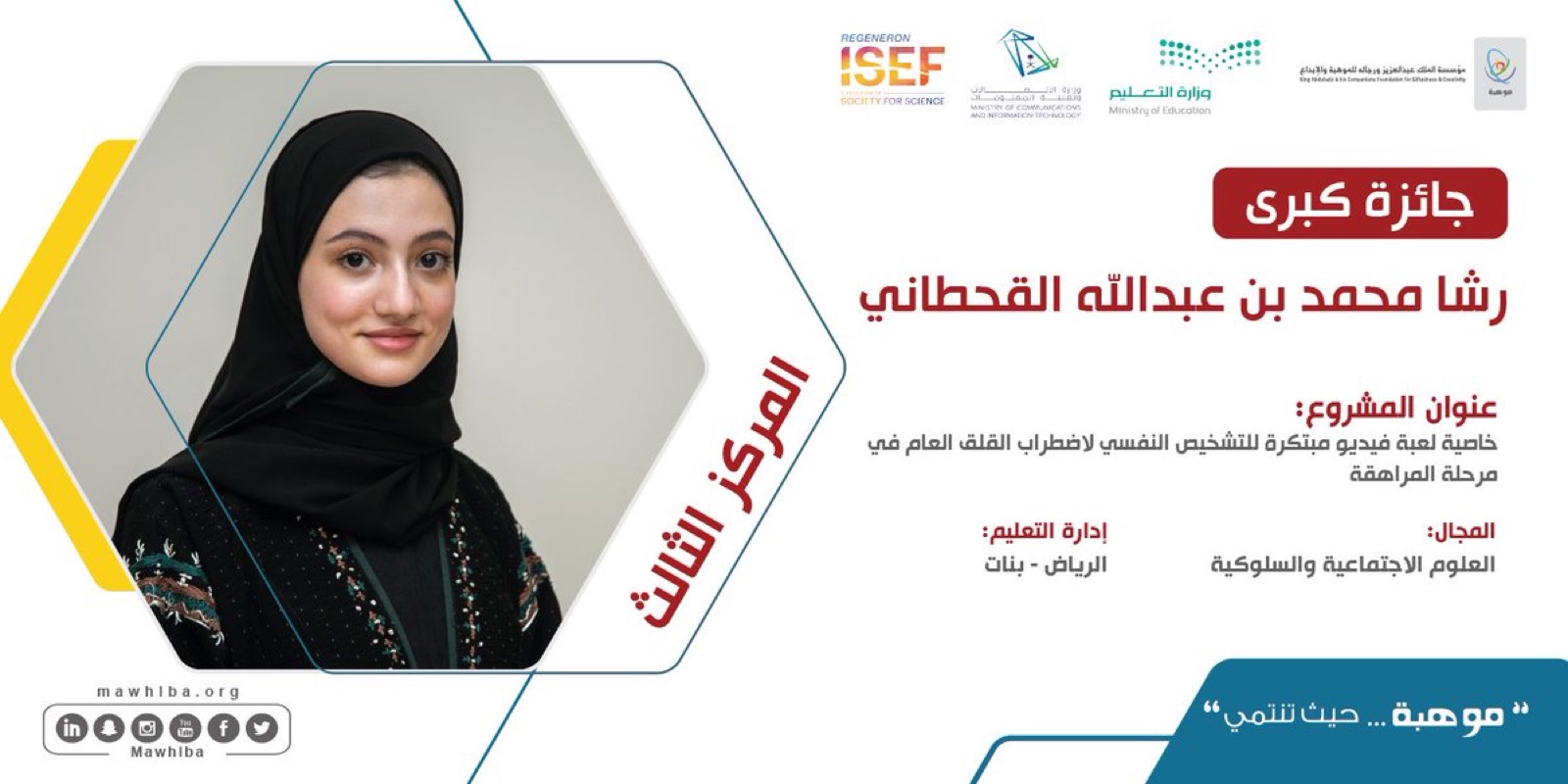
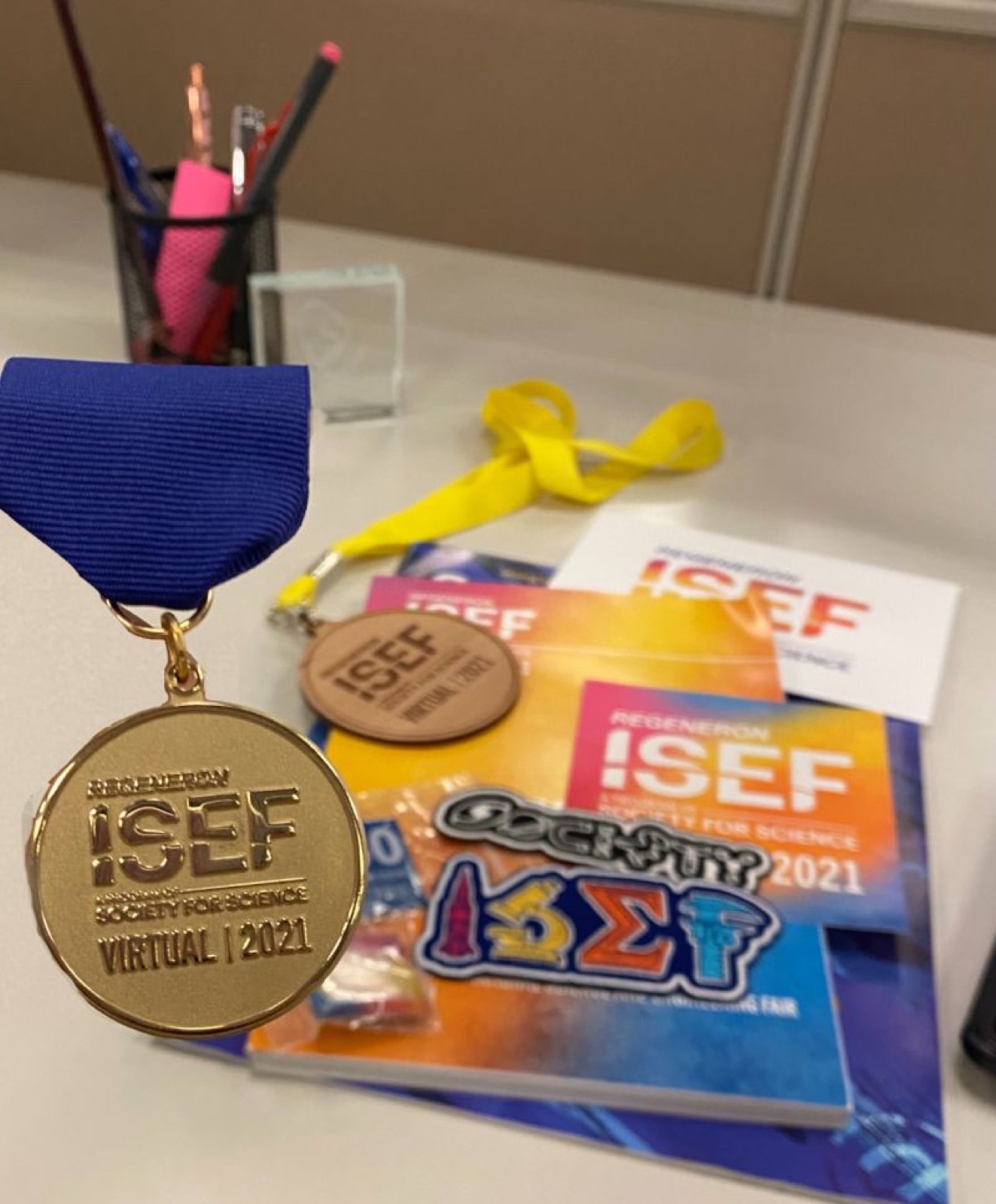
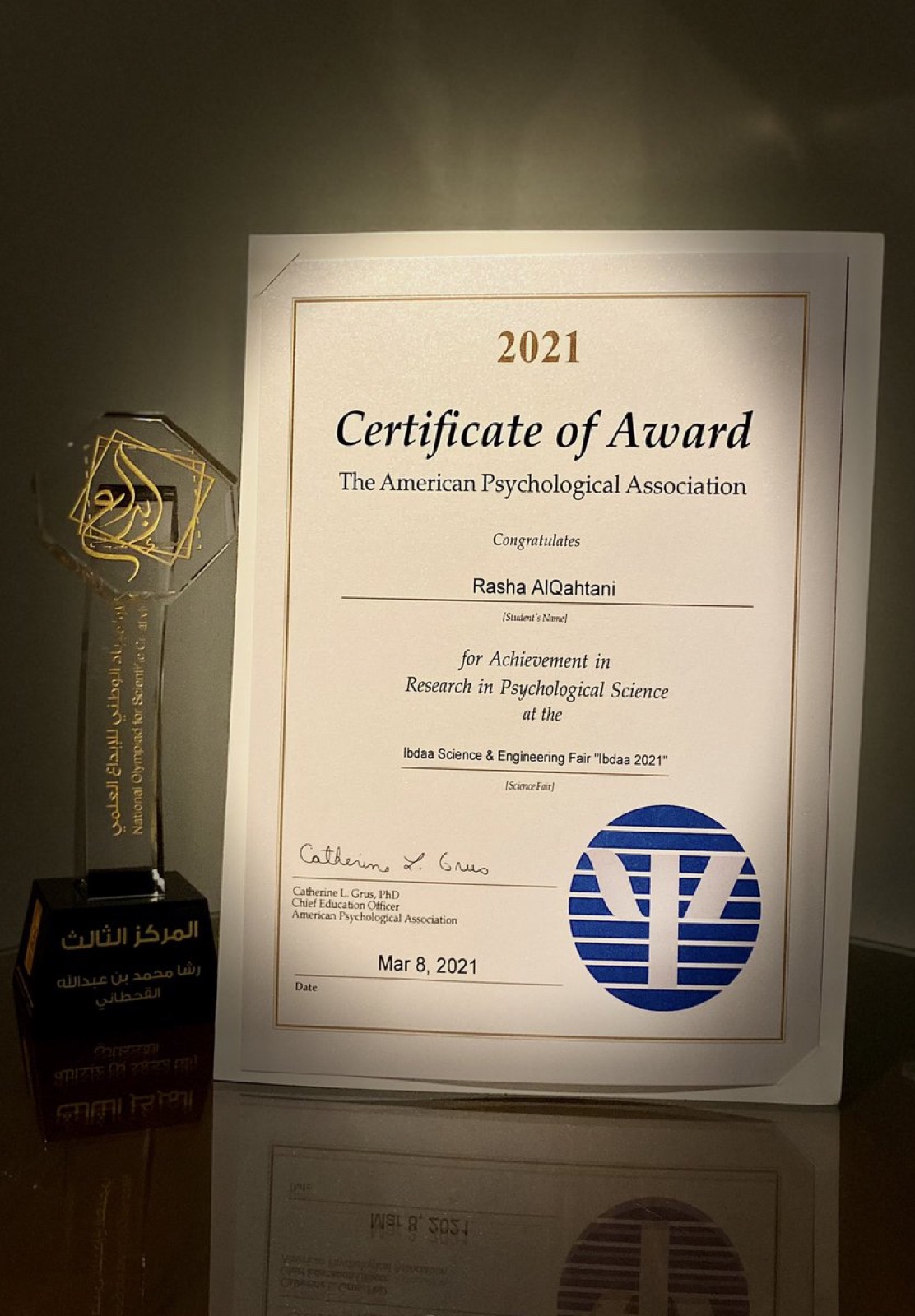
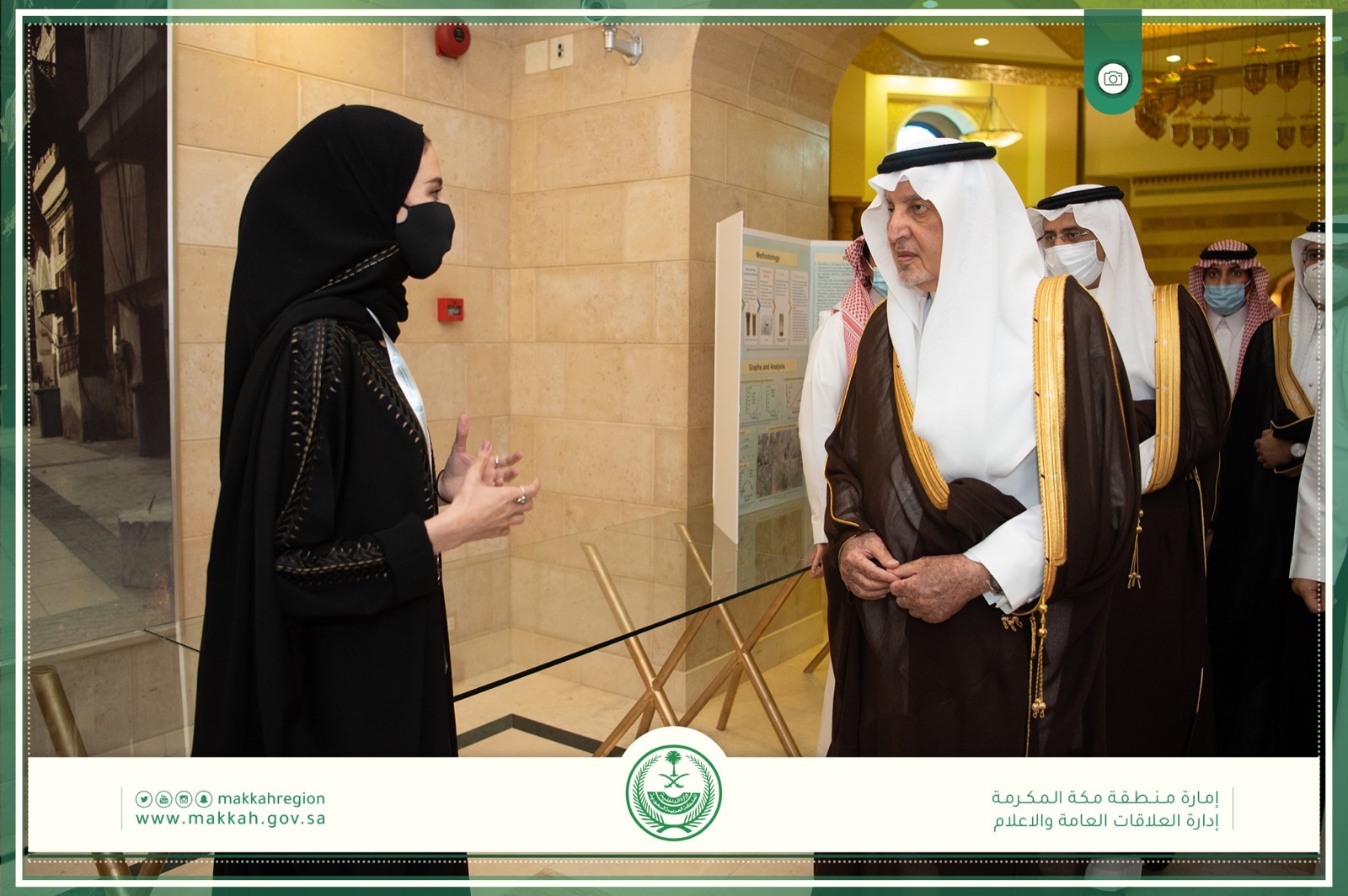
Third place in the national olympiad. The honor of presenting my project to HRH Prince Khaled Al-Faisal. And then: the Regeneron International Science and Engineering Fair — ISEF 2021. More than 80 countries. And because of COVID, for the first time in ISEF history — virtual judging.
Thirty of us, the Saudi delegation, hosted at the Marriott in Riyadh through the last ten days of Ramadan, training while fasting. HRH Princess Reema AlSaud surprised us with a visit of genuine support. H.E. Dr. Munir Eldesouki, head of KACST, spoke with every single one of us.
I was the first to enter the judging sessions. Alone, in an isolated room. Cameras on. Panels of judges from around the world — different accents, different temperaments. My video lagged; I carried my pitch on voice alone.
Before it all, my prayer had been simple: I don't care if I win. I care if this reaches more people.
When I walked out, my delegation was clapping. Someone handed me a microphone. I stood in the middle of the training room and shared everything I had learned, so the others could walk in prepared. The mentors asked me to stay for the rest of the camp to support the team. I gladly did — because a win you don't pass on is only half a win.
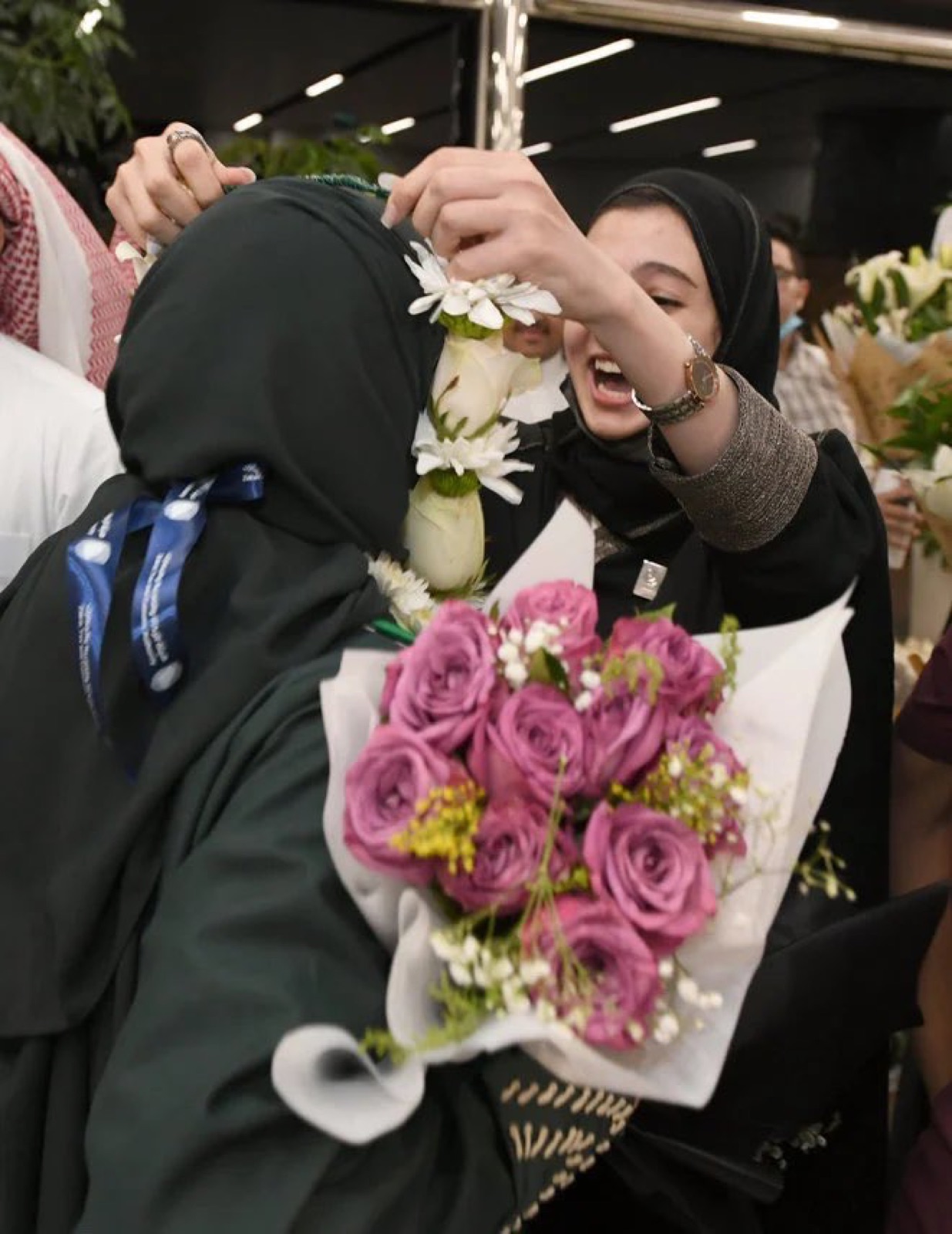
On Eid Al-Fitr, the results streamed online. I had given my family strict orders: wait outside the room — and if you hear screaming, burst in and kill me with happiness.
They did exactly that.
Third place worldwide in Behavioral Sciences. A special recognition from the American Psychological Association.
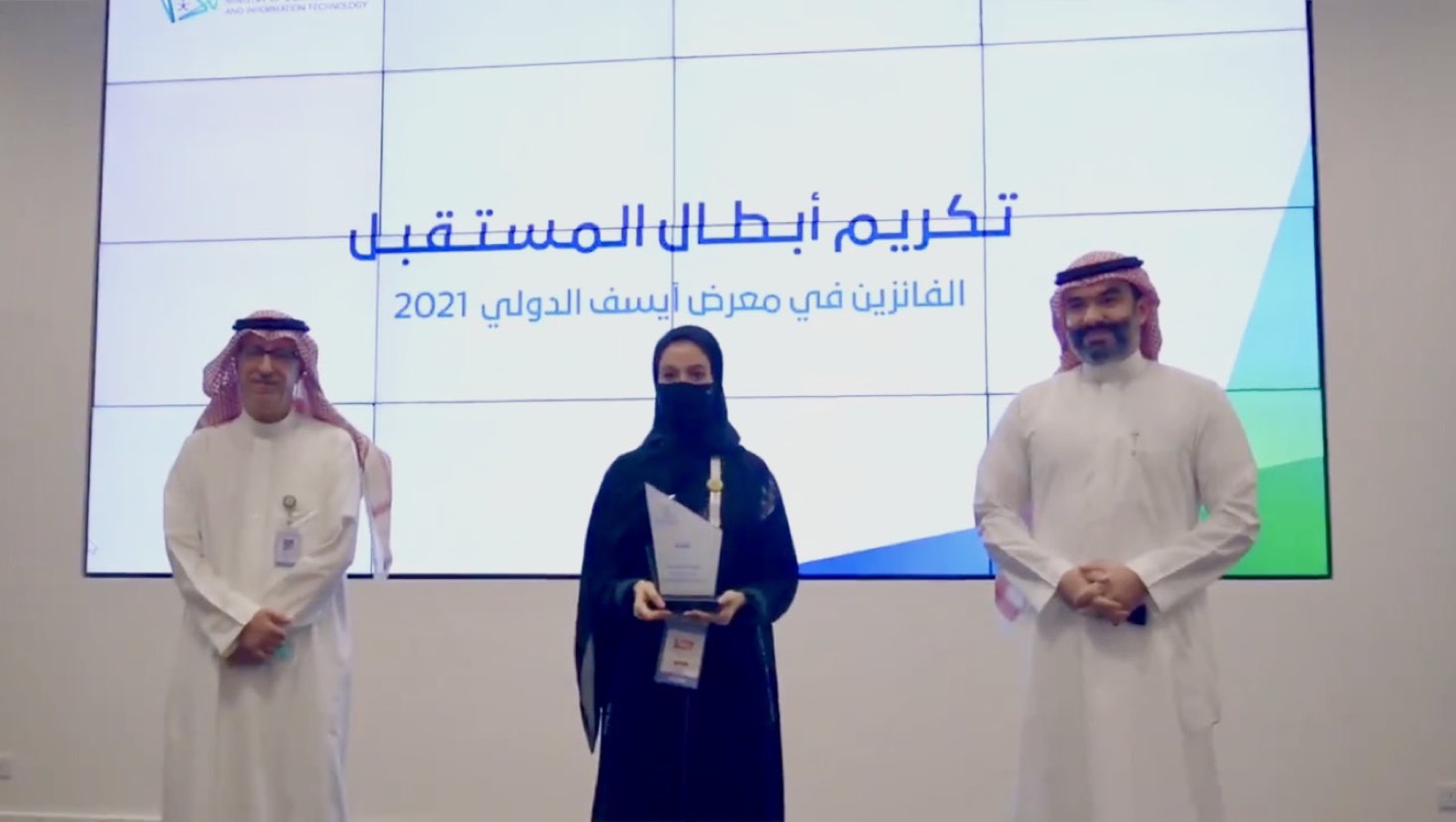
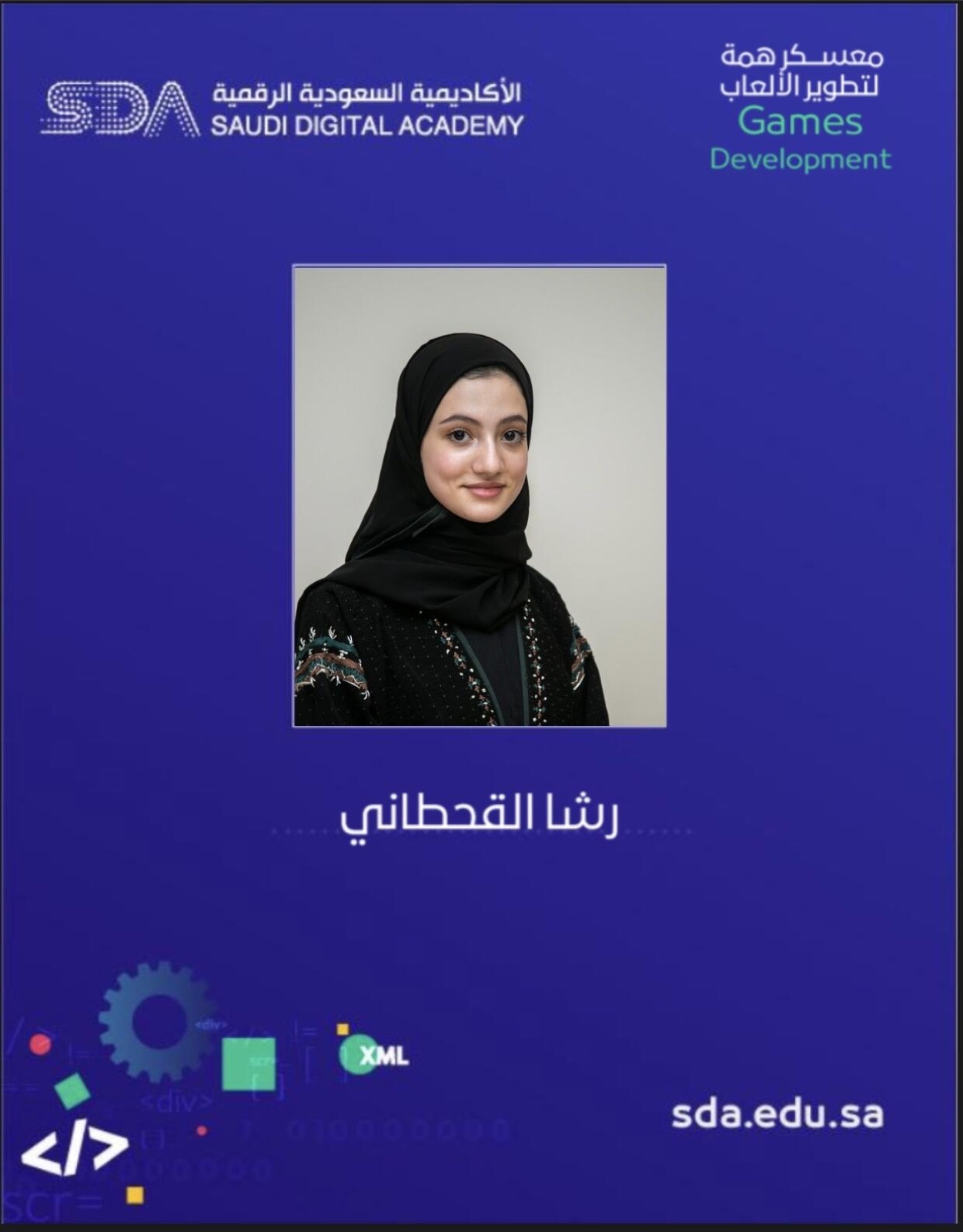
We were celebrated across the country. We toured ministries. And when H.E. Eng. Abdullah Alswaha asked how he could help, I didn't ask for a favor — I asked for a seat: entry to the Saudi Digital Academy's first game development bootcamp in the Kingdom. I passed the exams. I passed the interviews. I entered as the youngest in the batch — and was later referenced by His Excellency at an international e-sports conference as a pioneer of mental health and gaming. That same year, I spoke at the Middle East Digital Games Conference.
Then the story traveled further than I ever imagined. Smithsonian Magazine featured my research in its special report Innovation for Good: Game Changers — and noted that in our interview, I used the word "help" forty-two times. I didn't count. They did. Experts from Cornell and American University weighed in on the prototype's promise. HRH Princess Reema bint Bandar Al-Saud, our Ambassador to the United States, shared the article herself. And the American podcast Next Steps Forward with Dr. Chris Meek introduced me to its audience as a public speaker and mental health advocate.
I was eighteen.
Chapter 08 · 2021–2022
University begins, and passing the microphone
In fall 2021, I entered Prince Sultan University — Software Engineering, specializing in Artificial Intelligence and Data Science. Dean's List in almost every year of my studies. One of the students the university calls on to represent it at conferences and official events.
The folder from third grade had finally found its field.
But ISEF had taught me something more important than winning: how many young people never get the room, the microphone, or the mentor. So alongside my studies, I started building those rooms.
I hosted workshops on research and presentation for youth. I engaged with Misk and Mawhiba initiatives. I served at Mawhiba as International Enrichment Programs Coordinator — selecting global programs for gifted students and supervising their journeys, standing now on the other side of the same door I had once walked through. In February 2022, exactly one year after my own Ibdaa journey, I was honored among the mentors guiding Ibdaa 2022 competitors — my name listed alongside professors and PhD researchers from KAUST, KFUPM, and beyond.
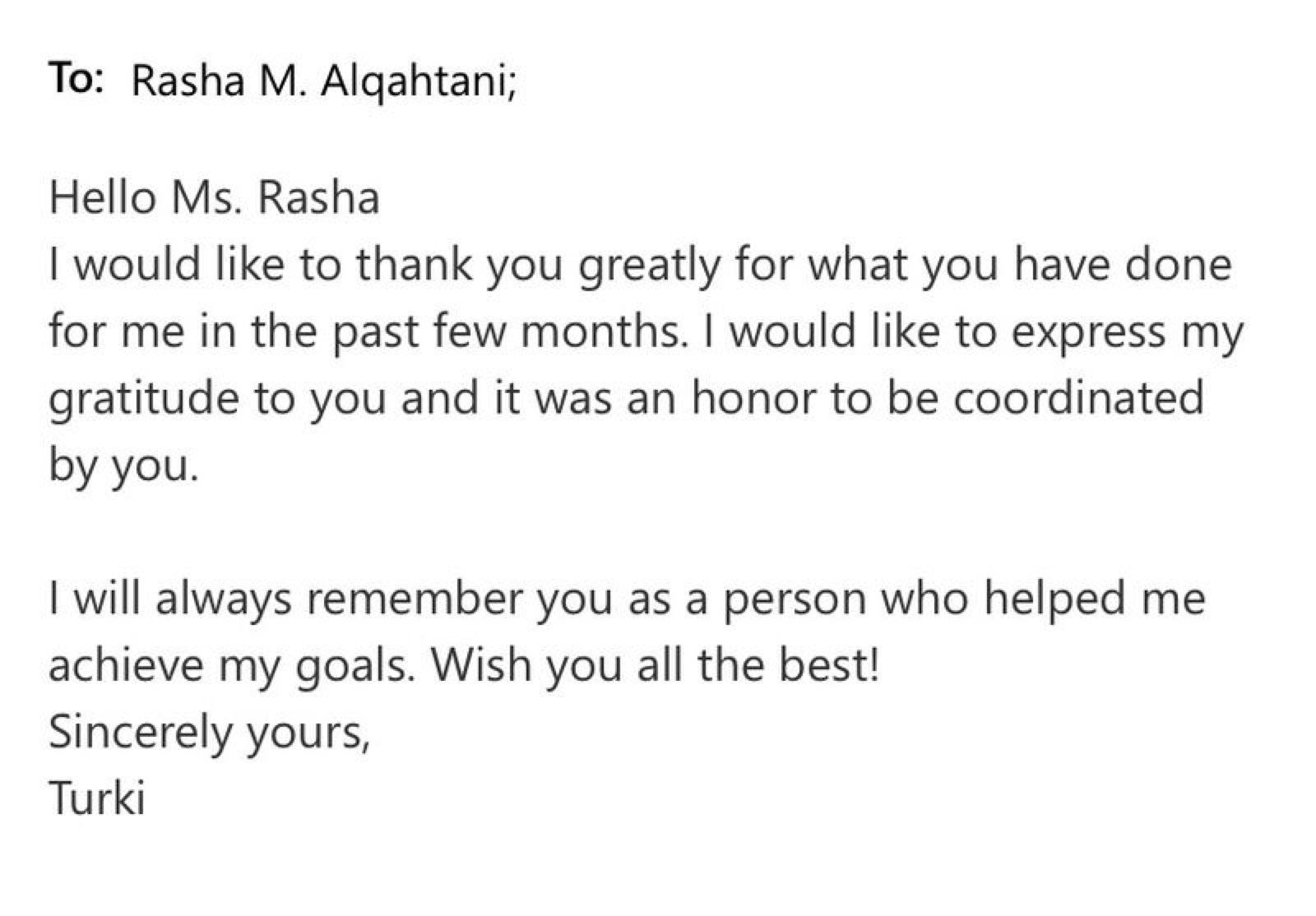
And when my time at Mawhiba ended, a student named Turki wrote me a farewell message I still keep:
"I will always remember you as a person who helped me achieve my goals."
One sentence. The whole reason I do this.
That year I also sat as a panelist at the AlHegra Conference of Nobel Laureates & Friends in AlUla — youth leadership and the next decade, moderated by Richard Attias — and delivered a keynote address for Women's Day, closing it the way my mother taught me: with poetry.
Chapter 09 · 2023
A podcast, a first place, and a pitch between two exams
By my third year, the work was compounding.
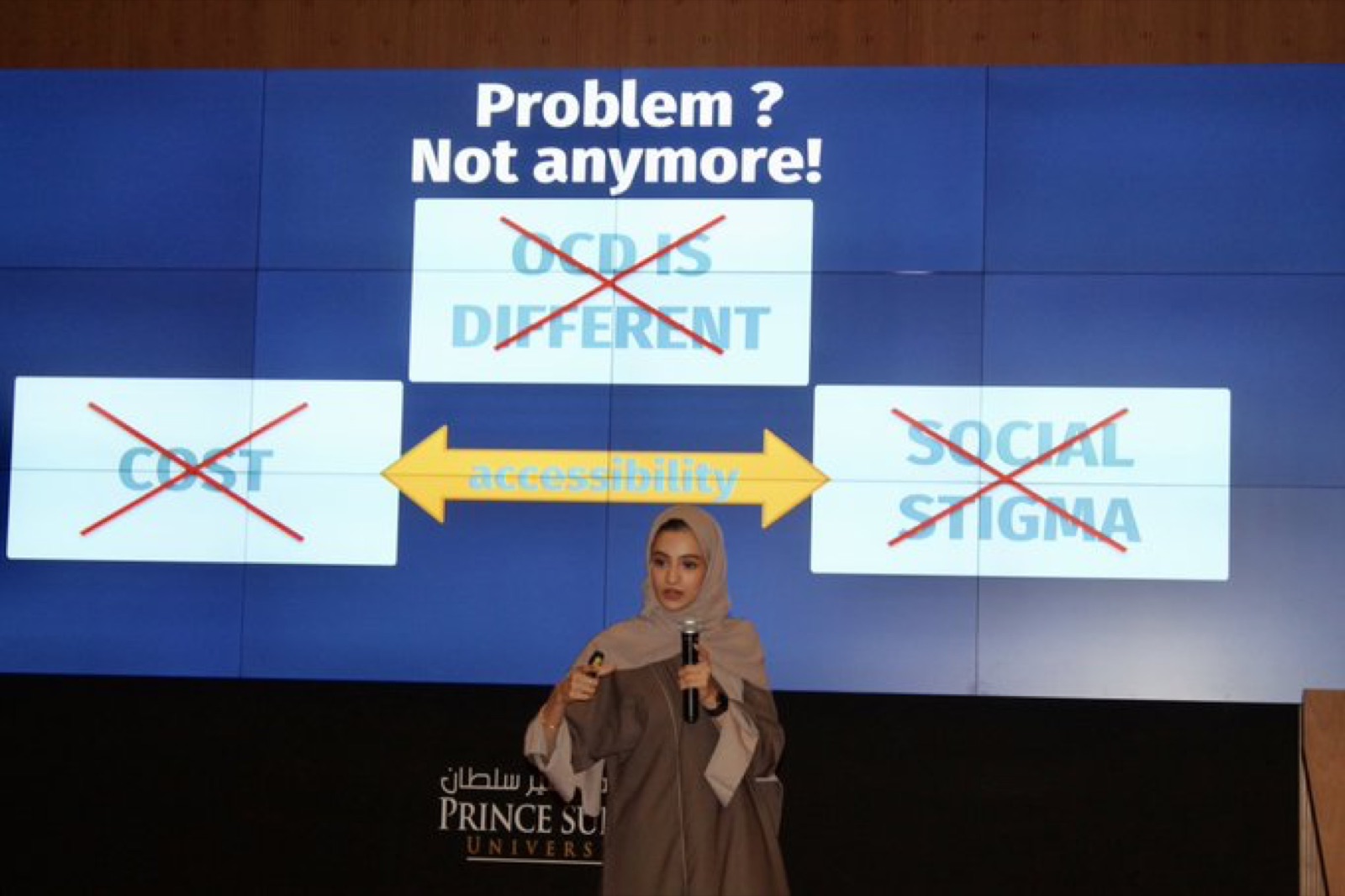
I presented Prince Sultan University's digital transformation journey at the Digital Universities MENA Conference 2023 — in the presence of HRH the Governor of Riyadh and the Minister of Education. I hosted the Women in STEAM Conference panel at PSU. I began teaching computer science through Qimah's digital platform. At The Big Digital Pitch — an intercollegiate final of just ten — I took first place, pitching a solution for OCD and the social stigma around it. Mental health, again, at the center. It always is.
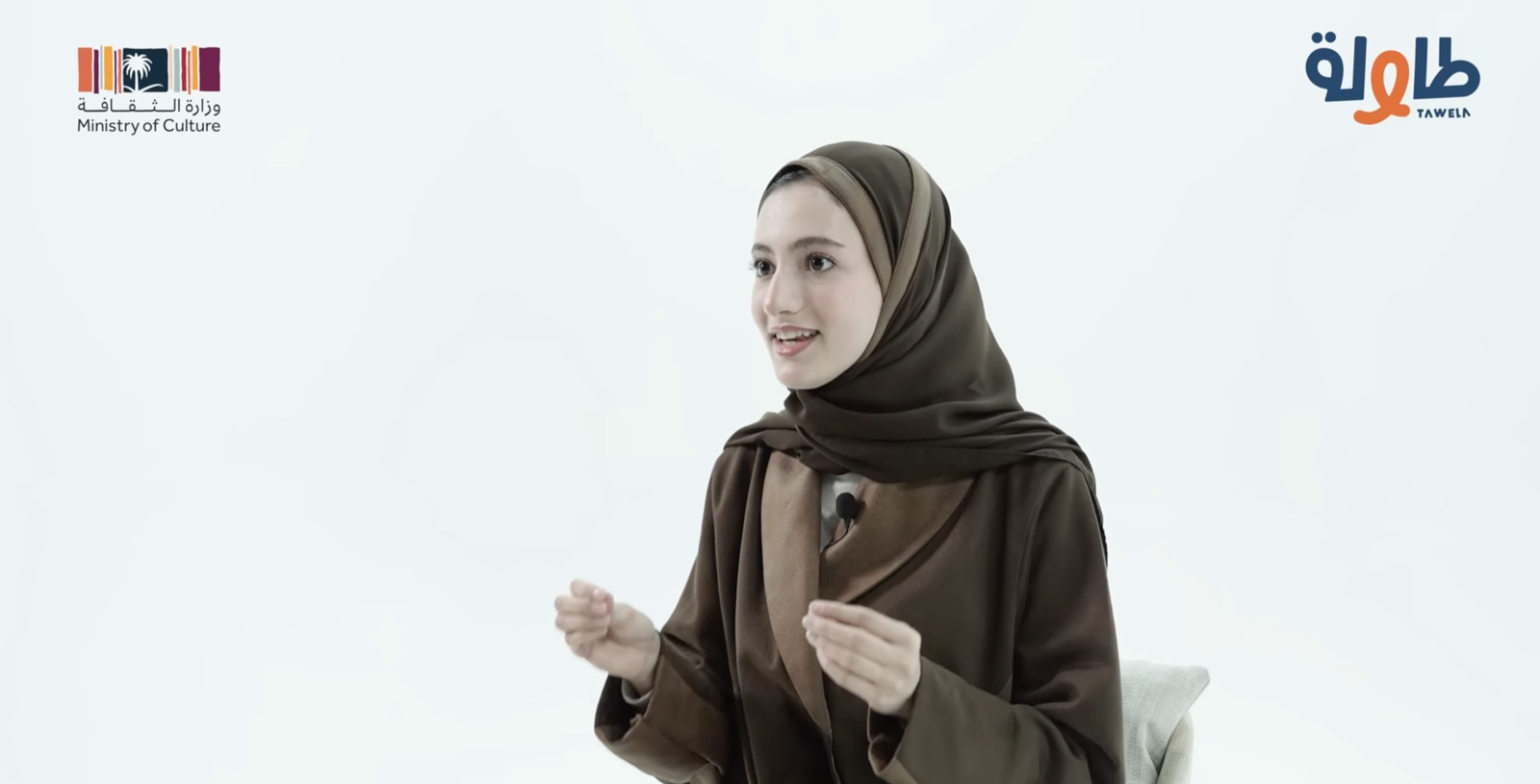
With the Ministry of Culture, I became host and content developer of Tawlah Podcast — a table built for young people, and on that table, there was always a place for them.
That year, my colleague Sultanah AlEssa invited me to join the Youth Chamber from its very beginning — live audio sessions reaching thousands of listeners. The highlight: a session I moderated, joined by H.E. Dr. Saud Almathami, former head of Mawhiba, and H.E. Dr. Munir Eldesouki, head of KACST. The same leaders who once encouraged a young ISEF competitor — now guests in a room she was hosting.
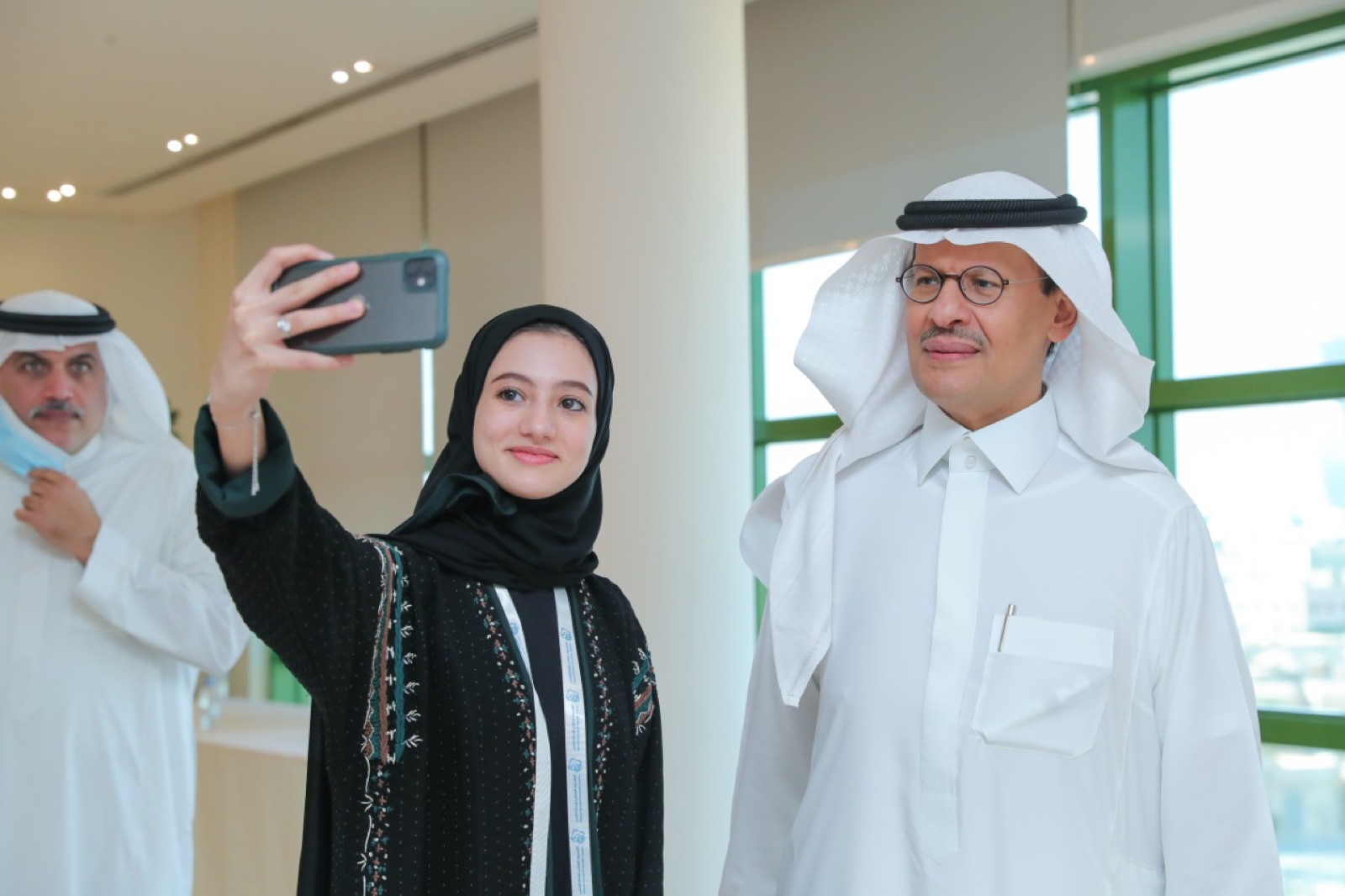
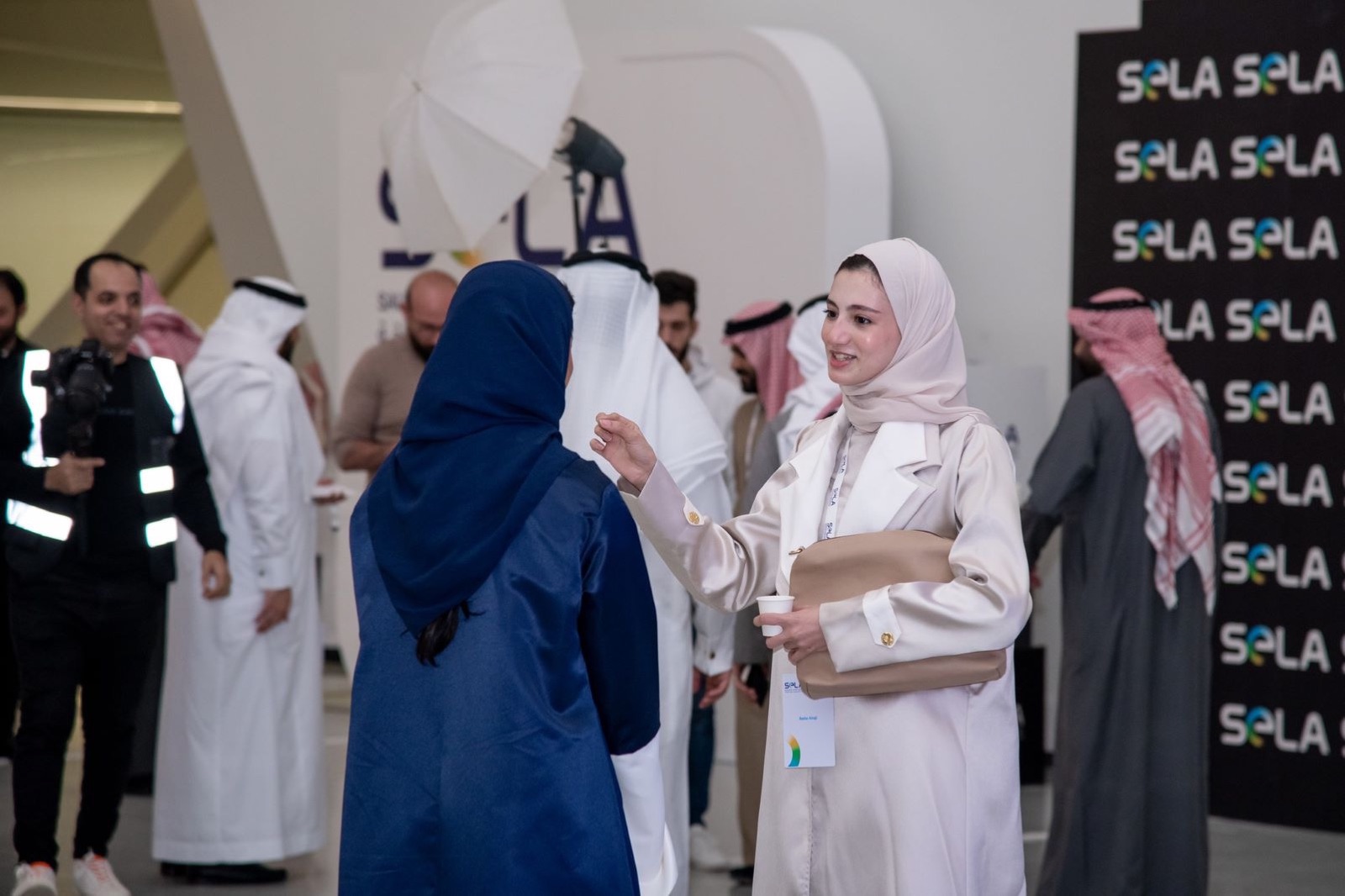
Meanwhile, my path into energy was opening. In February 2023, I joined the Saudi Energy Leaders Assembly (SELA) — founded under the sponsorship of HRH Prince Abdulaziz bin Salman to empower young leaders in energy. I had met His Royal Highness twice. I carried a scholarship bearing his patronage. I was determined to have a hand in this sector the moment a door opened.
In August 2023, it did: an invitation to join the founding executive team of a nonprofit empowering women to enter energy.
For nearly twelve weeks in the Misk incubator, I finished university at 4 PM and worked on the association from 5 to 9 — name, vision, mission, programs, beneficiaries — through exams and assignments. And then pitch day landed on the same day as my Computer Science final. Two hours between them.
I stepped on stage. Delivered the pitch in three minutes. Stepped off. Revised. Went straight to my exam.
We secured the 450,000 SAR founding grant.
I aced the exam.
Chapter 10 · 2024
From Volunteering to Managing
I stayed with the Women and Energy Association as it grew — and I grew with it. Volunteer, building its two-year roadmap. Executive Assistant, working directly with CEO Dr. Abeer AlOlayan. Then Director of the WEDL Program — Women & Energy Diplomacy Leadership.
WEDL is our most critical and demanding program: an executive leadership initiative in partnership with the Institute of World Politics, convening senior women executives from Saudi ministries, major energy firms, and international organizations. I led participant selection, media campaigns, curriculum vision, and coordination across entities — with the trust of Her Highness Princess Mashael AlShalan, Chairperson, and Dr. Abeer AlOlayan, CEO.
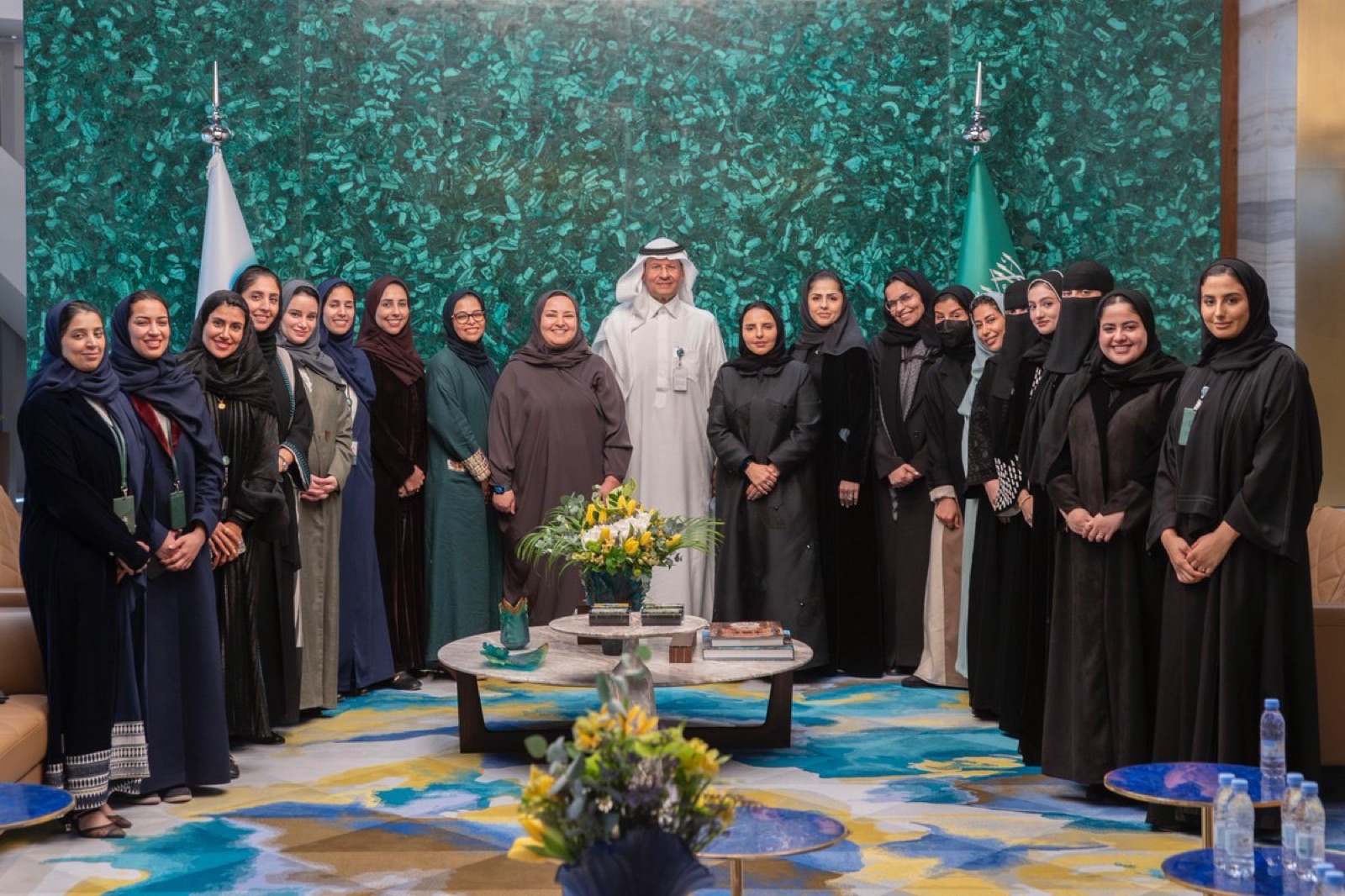
Along the way, I pitched to executives and leaders at ACWA Power, KAPSARC, Honeywell, and more. I helped organize our engagement at COP16 in Riyadh. And one moment stood above the rest: meeting HRH the Minister of Energy alongside the Women and Energy team — affirmation, from the leadership itself, that empowering women in this sector is not a side project. It is the project.
That year also carried an echo from an earlier chapter: at an international e-sports conference, H.E. Eng. Abdullah Alswaha referenced my work — citing me as a pioneer of mental health and gaming. The minister who once asked a young ISEF winner how he could help was now telling the sector her story.
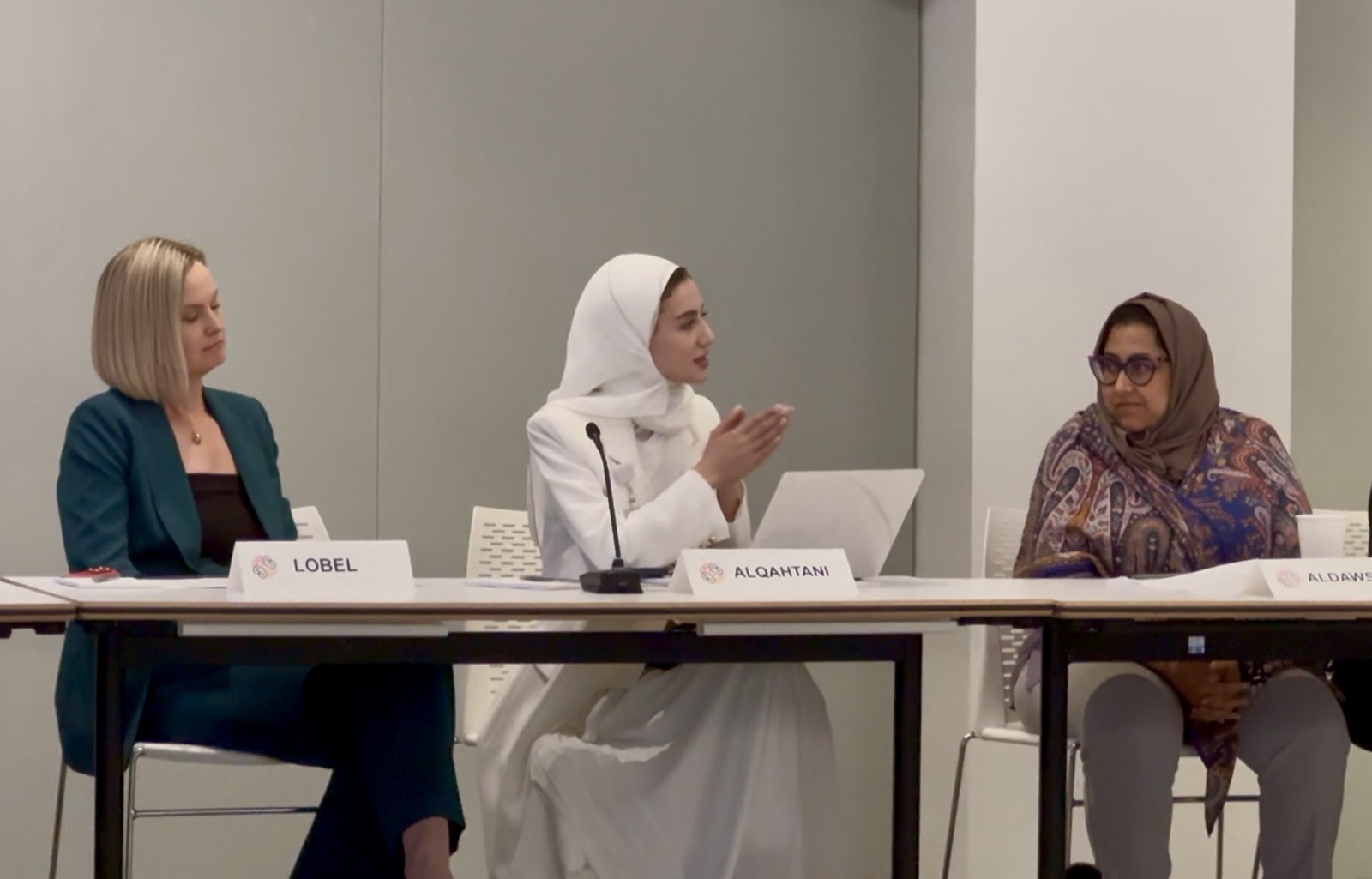
Teaching became its own thread: my Qimah course, CS175 — computer organization and digital logic for Arabic-speaking students — grew into over 150 recorded lectures and more than 300 students taught. I served as project manager of Besar, leading a team to a 77.71 mean average precision in AI-based visual pollution detection, with an active learning pipeline that nearly eliminated manual labeling. I delivered a keynote at the Women in Data Science Conference at PSU.
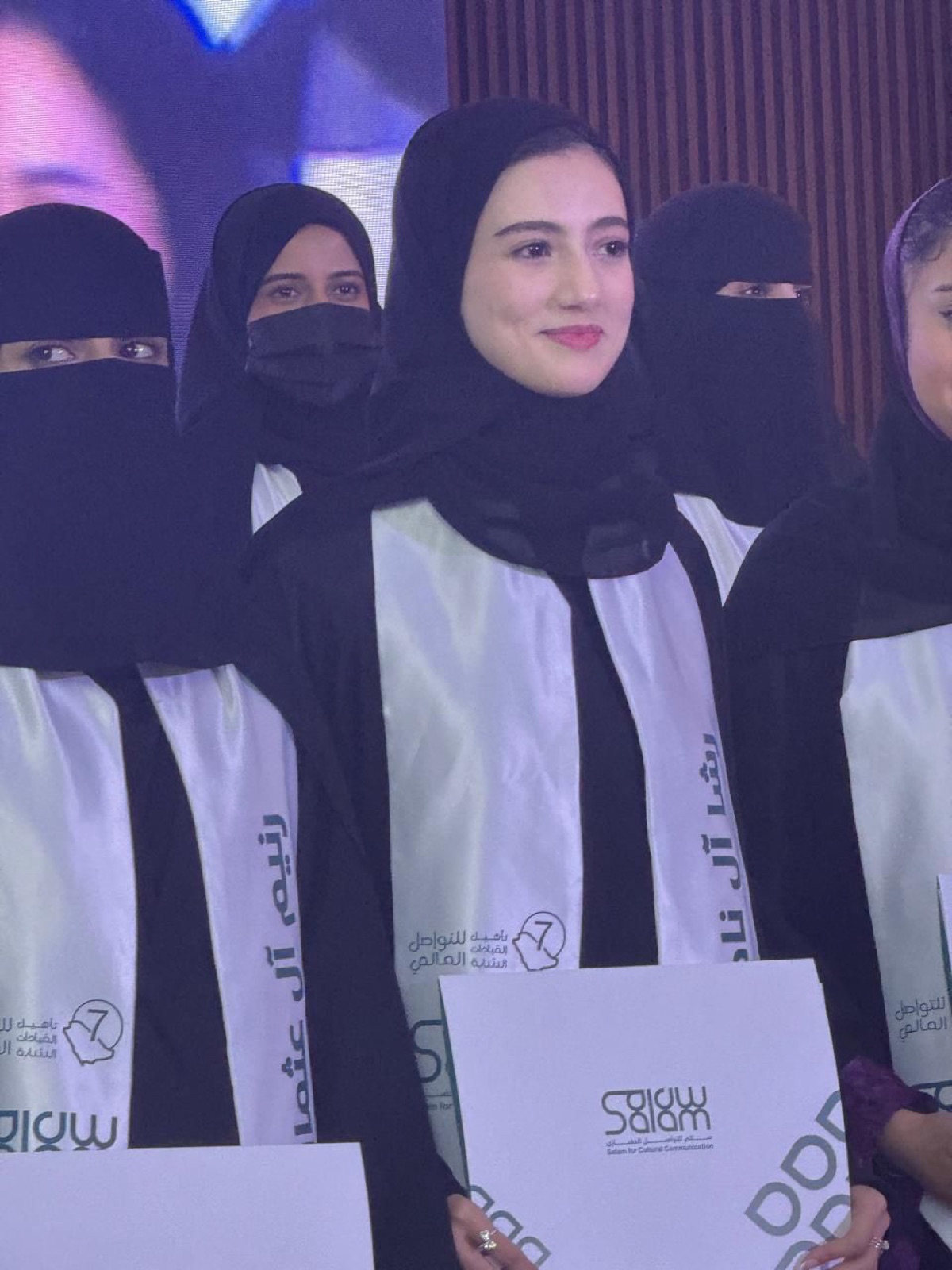
And through the Salam Center's Young Leaders Program (YLP7) — 70 selected from 2,500 applicants, under the patronage of HH the Minister of Foreign Affairs — I trained in cultural diplomacy and international representation, and delivered the opening address for our cohort before HRH Prince Turki Al-Faisal. My research there asked how AI shapes national identity and cultural communication. The answer from our study: 73.2% of participants believe intelligent technologies can protect our cultural heritage. The research produced a booklet documenting the Kingdom's AI journey — and an interactive cultural AI app.
Chapter 11 · 2025
Three projects, one week, one belief
2025 was the year the thread became visible to everyone else.
In a single week, I presented three AI projects. Three different fields. One belief.
Suhail: The Guiding Star — an AI chatbot preserving Saudi cultural heritage through dynamic, culturally aware conversation. Two novel datasets. 93.3% accuracy. Presented at the Women in Data Science Conference, evolved into a publication and a functional product, aligned with Vision 2030 and the UN Sustainable Development Goals.
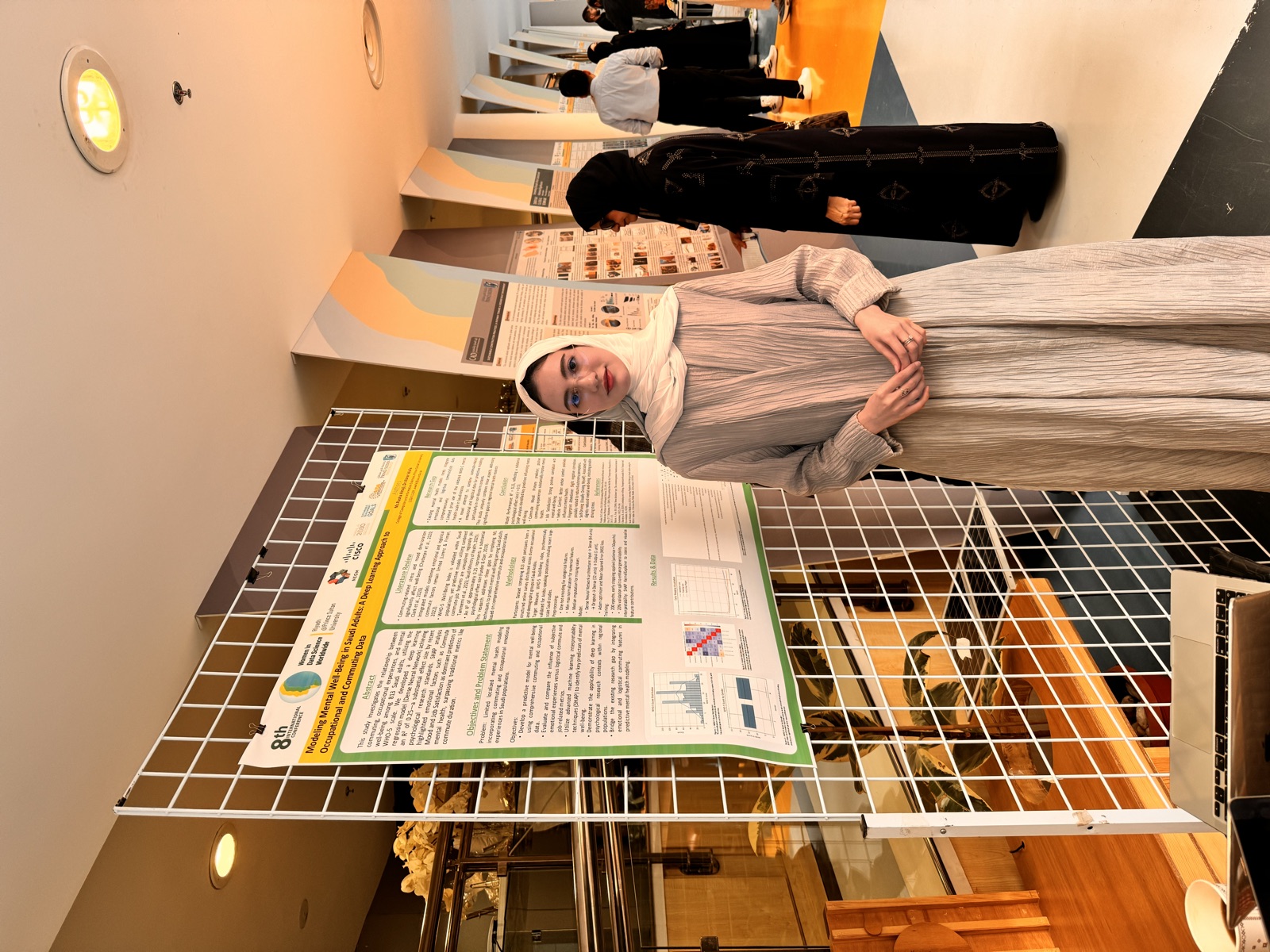
Modeling Mental Well-Being in Saudi Adults — a deep learning model predicting WHO-5 wellbeing scores from the occupational and commuting data of 813 participants. With explainable AI, it revealed something worth pausing on: your commute mood matters more than your commute duration. How we feel outweighs how long we travel.
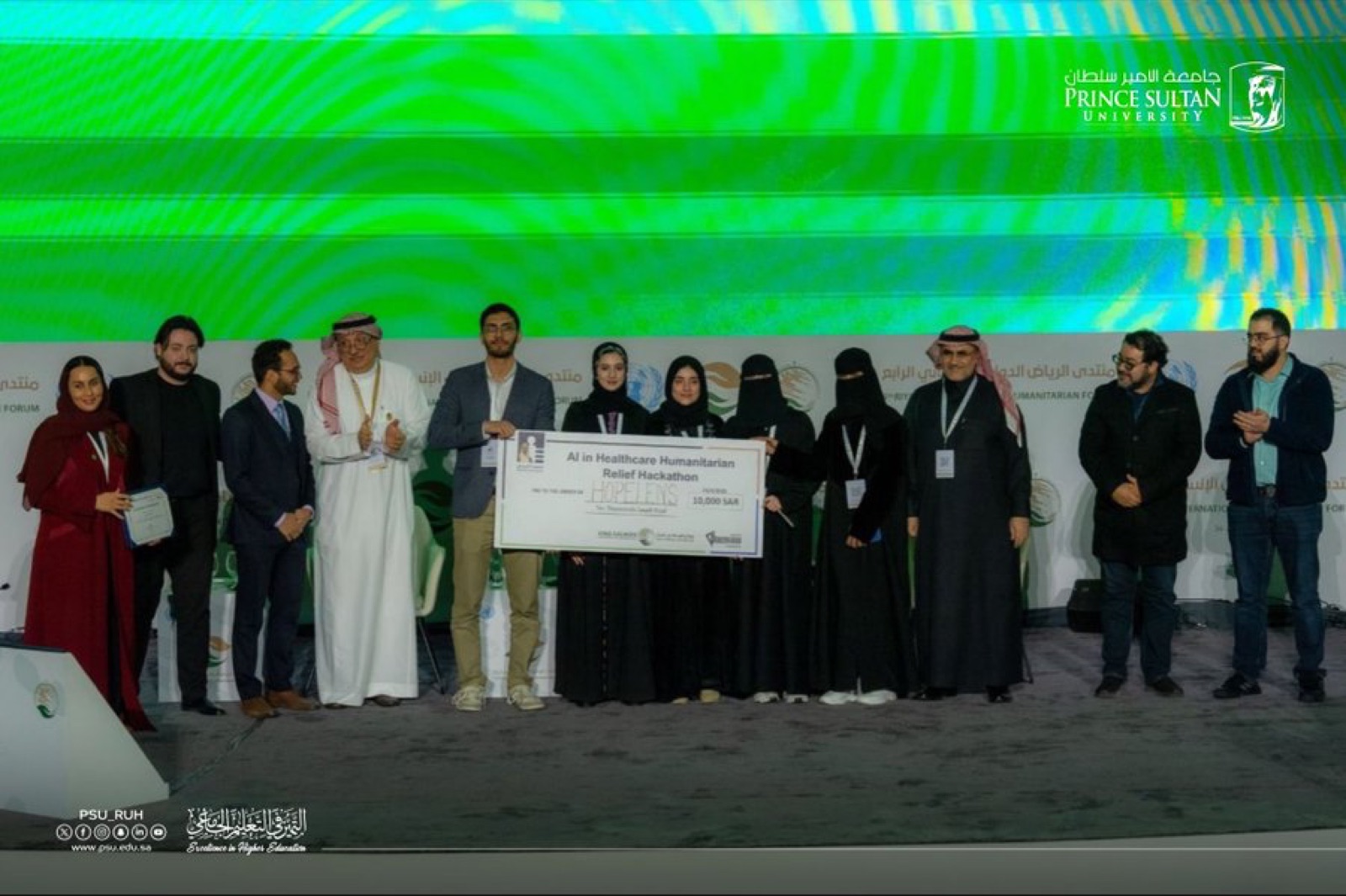
HopeLens — AI-powered smart glasses delivering offline, real-time diagnostic support to first responders in crisis zones. A team I was proud to lead. First Place and the Exceptional Innovation Award at the King Salman Relief & Alfaisal University Hackathon 2025. Featured at the UNDP-led Human Capital Initiative Dialogue.
Culture. Wellbeing. Crisis response. Different problems — one question underneath: who does this help?
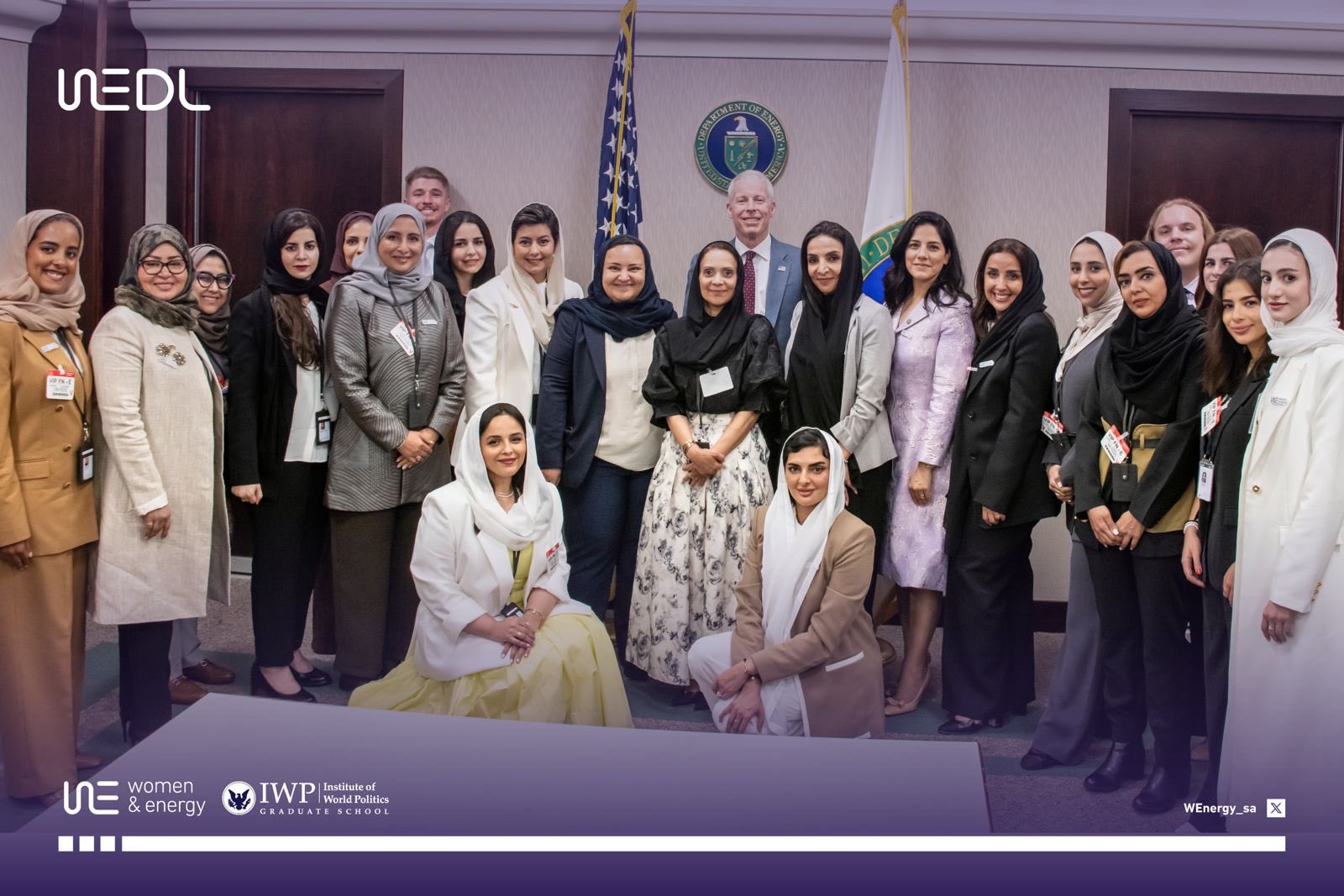
That year I also founded IT'ZEN | إتـزن — my own venture, at the intersection I care most about: AI for mental health, built on internationally awarded research, focused on early detection and reliable measurement of psychological wellbeing, designed for our Saudi culture. I completed a Computer Vision internship at the Robotics & IoT (RIOTU) Lab. I took WEDL abroad for the first time — Cohort 1, fifteen female leaders, to Washington D.C. — engaging with the U.S. Department of Energy, the World Bank, and the Middle East Institute.
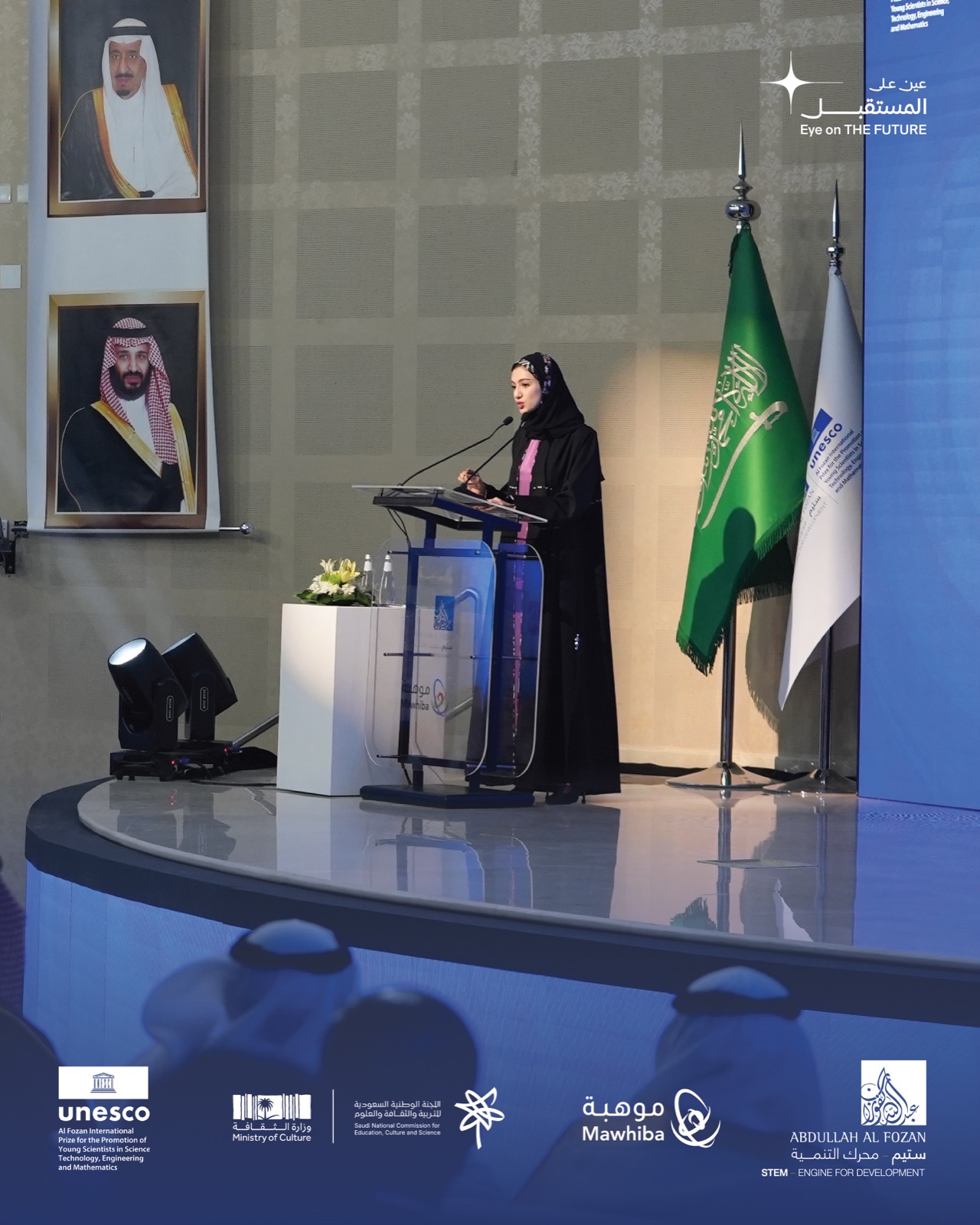
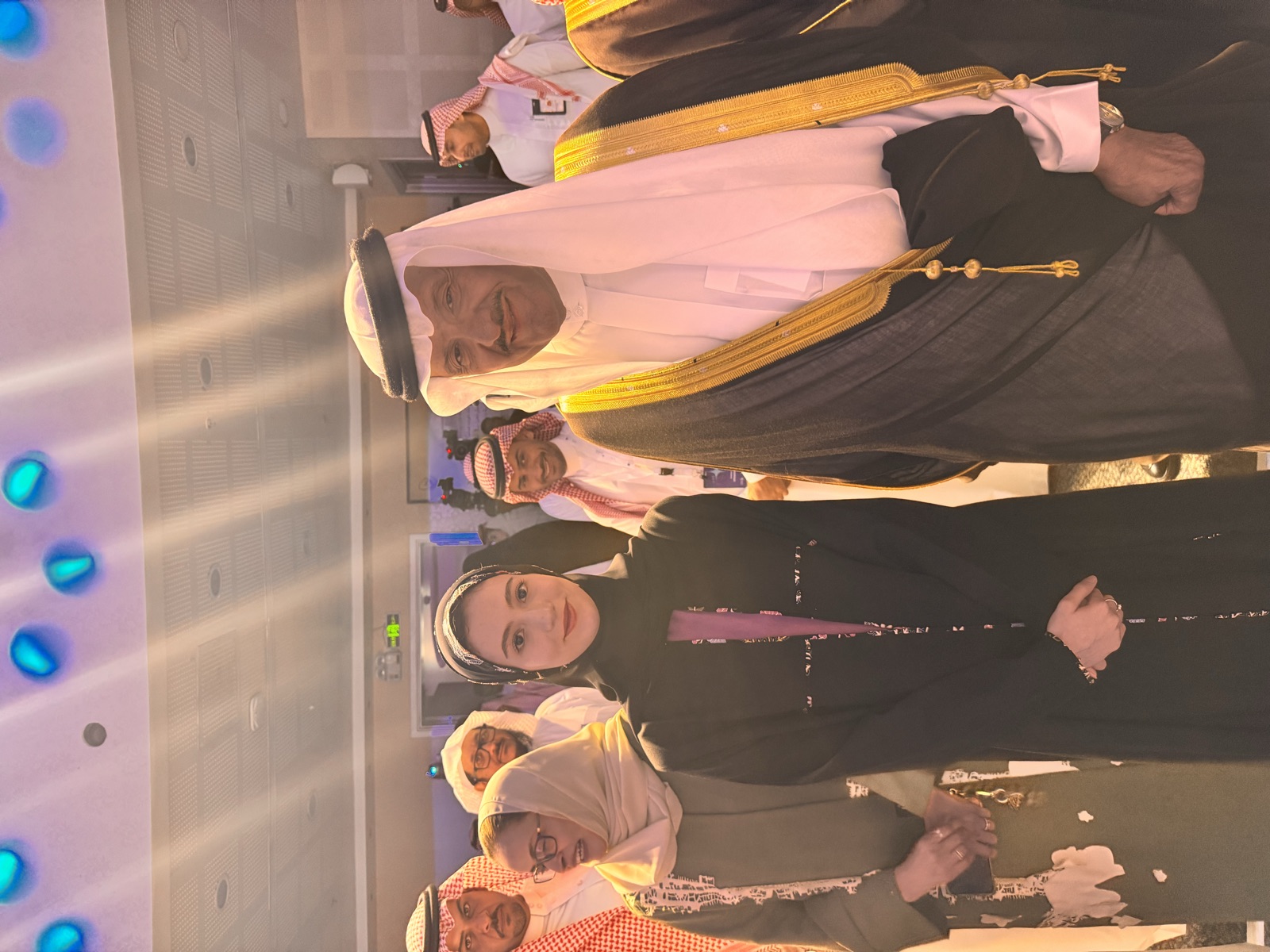
And I stood on some of the region's biggest stages: MC and youth representative at the Global Innovation Index 2025 forum with WIPO and SAIP. MC and youth researchers' representative at the Global Research Council 2025. And the Young Scientists' Address at the UNESCO–Alfozan International Prize forum, Eye on the Future, before HRH Prince Sultan bin Salman, ministers, and international representatives.
On that stage, I said what I have believed since the folder:
The essence of innovation is not certificates or awards — and luck is not the flame that ignites it. It is something you receive before the degrees, before the trophies, before your first words, before your first step. The essence of innovation is empathy — the gift of being human.
The year closed the way it ran. At the PSU Senior Project CCIS Expo, my team showcased FOCAL — our AI-driven classroom analytics system measuring real-time student attention through computer vision and deep learning, privacy-first by design: detection pipeline, fine-tuned models, ByteTrack integration, validation against manual COPUS annotations, supervised by Dr. Abrar Wafa and Dr. Zainab Masood.
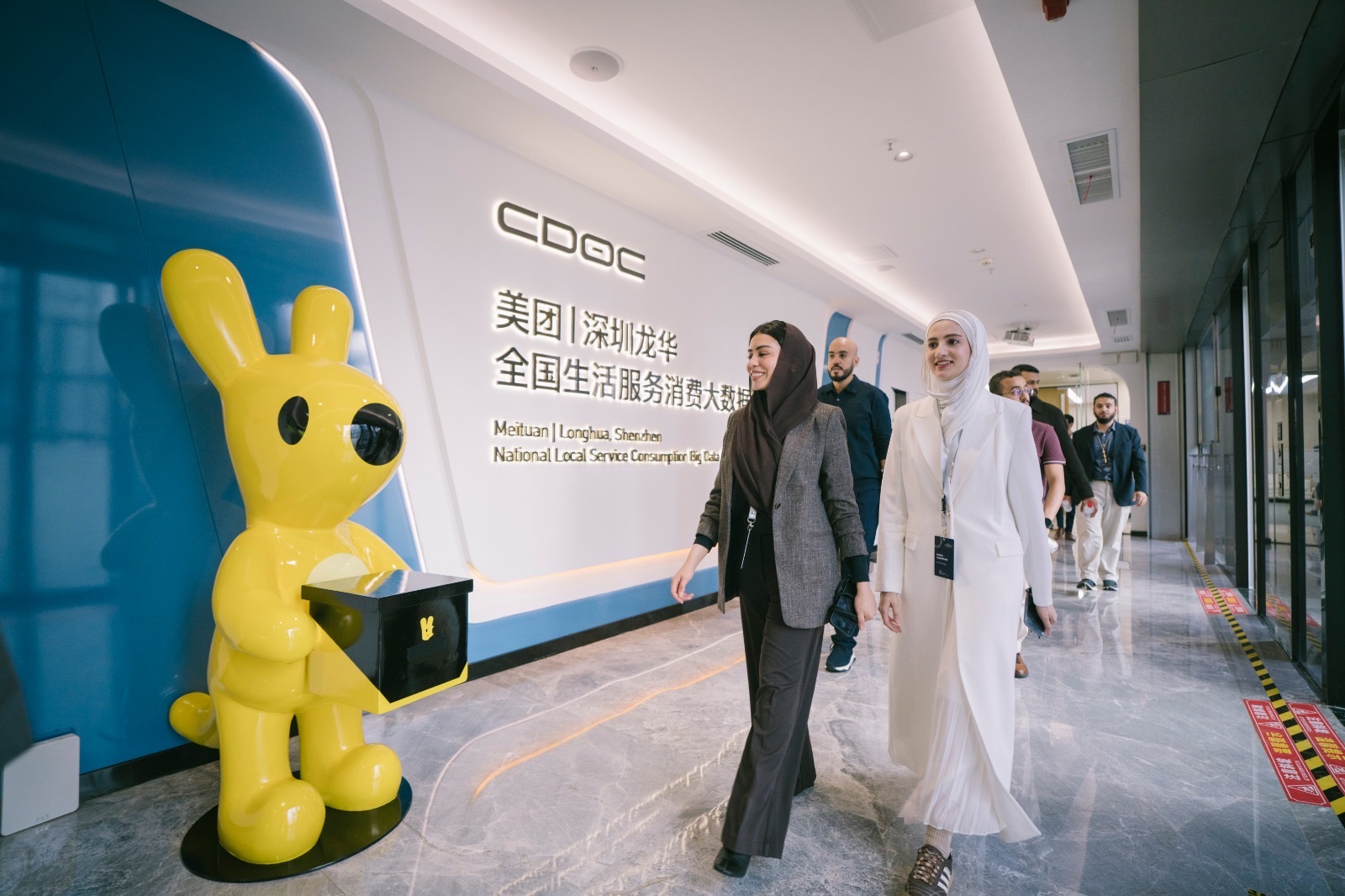
At the Misk Global Forum 2025, I joined the MGF Policy Circle with EY and Misk Global — and when I raised mental health and its impact on youth, the room treated it as a core policy priority. Not a side topic. And in December, I traveled with the Saudi Leadership Society delegation to Shenzhen — Huawei, Tencent, DJI, Meituan, Unilumin — an inside look at how large-scale progress is engineered. The lesson I carried home: innovation is not just brilliant ideas. It is the systems that let ideas survive and scale. And growth never has to come at the expense of identity.
Chapter 12 · 2026
Now
This year began with IT'ZEN stepping into the light.
We graduated from The Garage's MVPLab program — at a ceremony attended by H.E. Eng. Abdullah Alswaha. The same minister who, five years earlier, asked a newly crowned ISEF winner how he could help. He helped. And now he watched what that help became. Weeks later, IT'ZEN took first place at Startup Weekend Riyadh, organized by The Garage and Techstars. We called it what it is: the first step in changing how our youth understand mental health.
My voice in policy became tangible too: the report "Youth-Driven Futures: Building Resilient Economies in the Twin Transition" — developed by Misk Global and EY — carrying the case I made for mental wellbeing as a pillar of youth resilience.
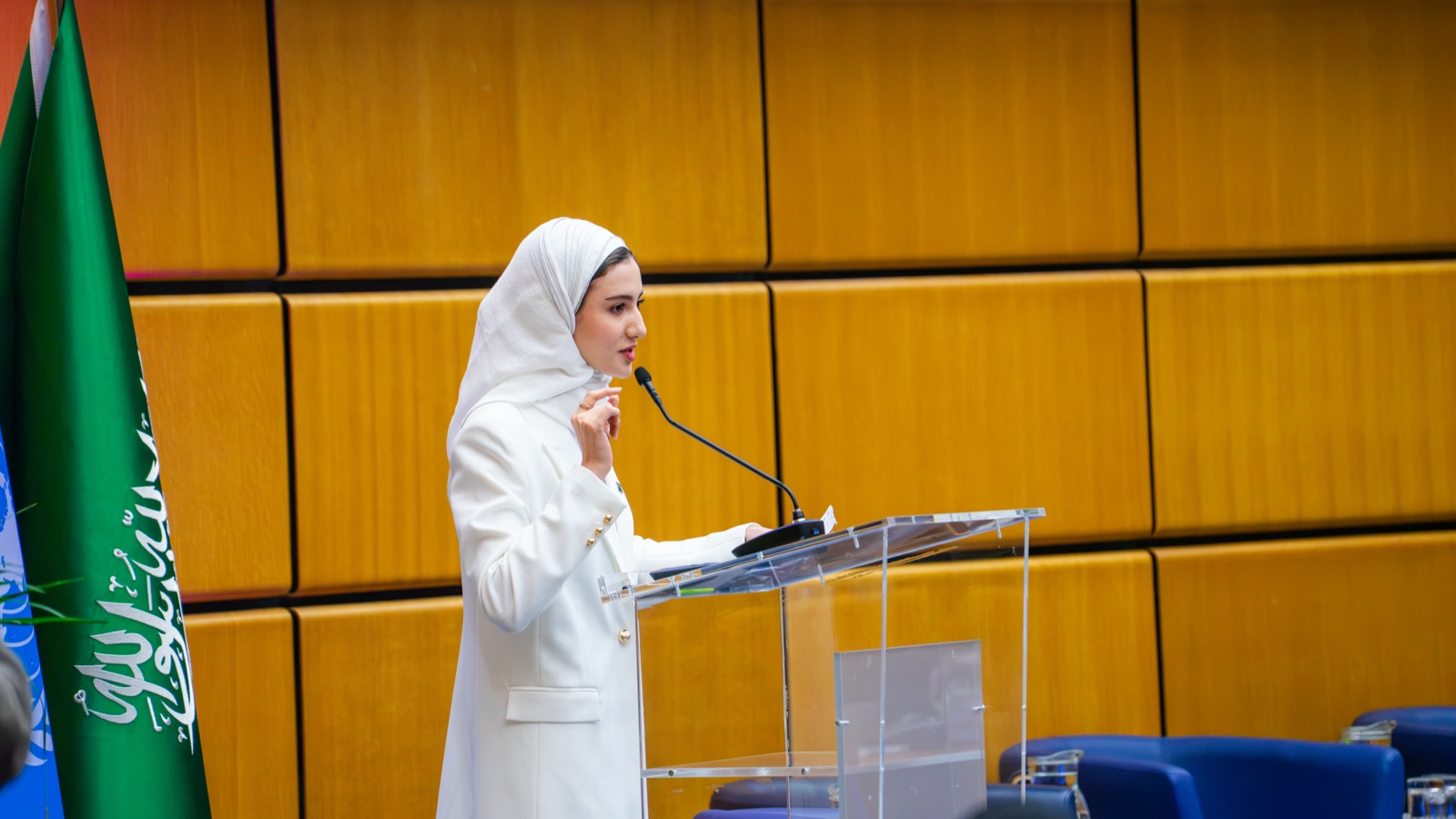
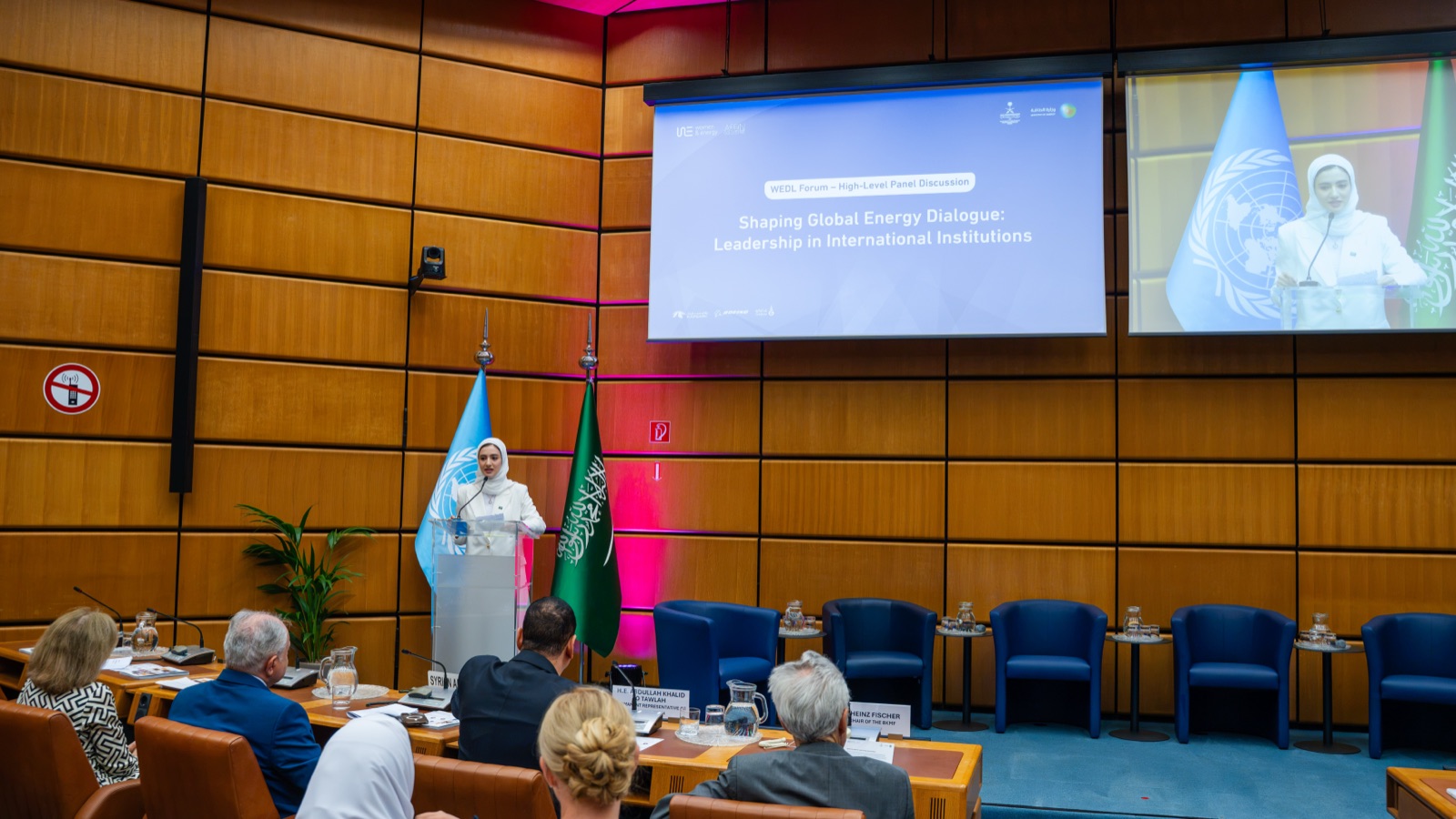
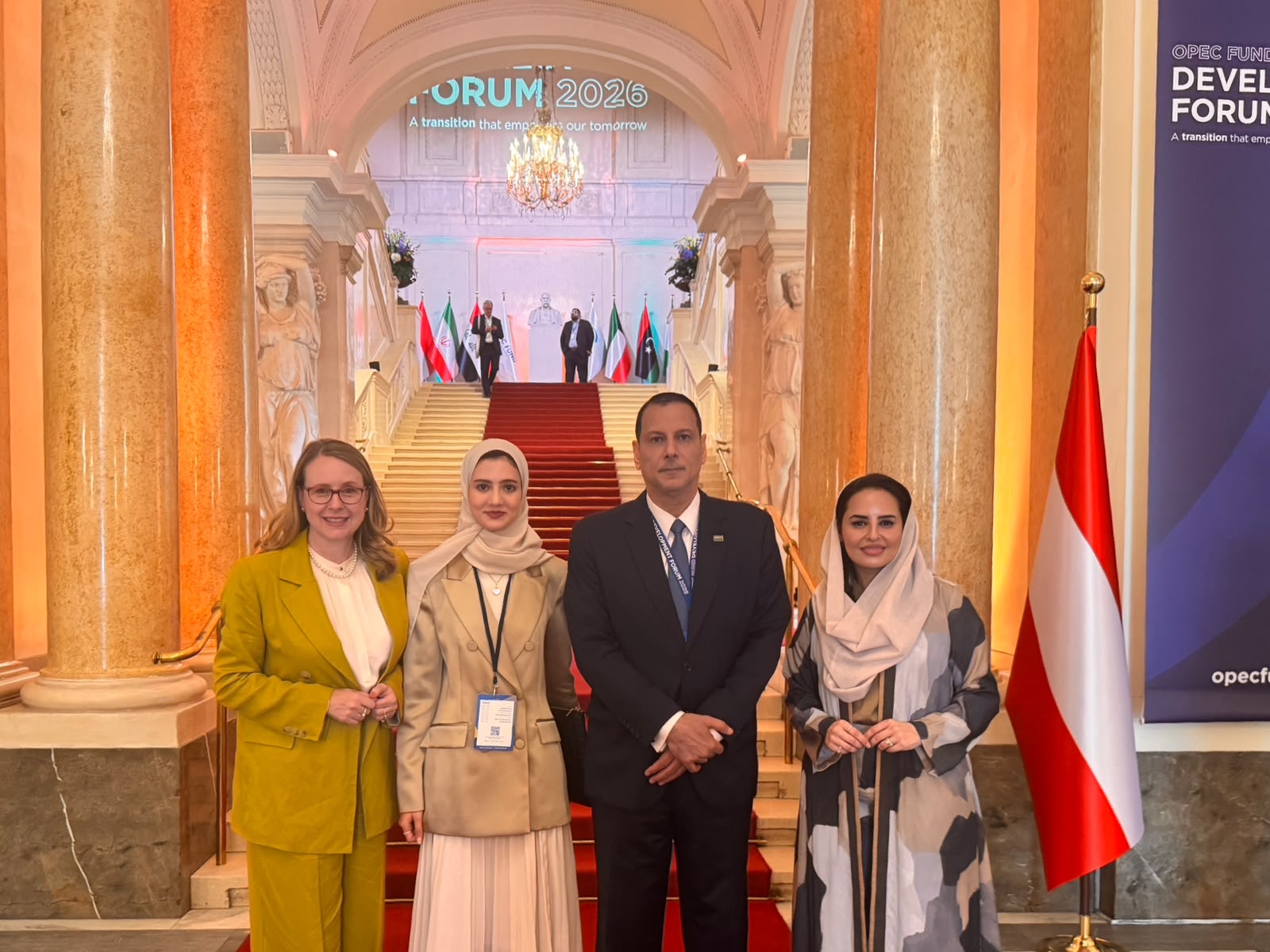
And WEDL grew again. Cohort 2 — twenty-one leaders — through three phases: the Riyadh Chapter in April, the Bridge Phase in May, and the Vienna Chapter in June, in the world's capital of multilateral energy diplomacy. OPEC. The IAEA. UNIDO. The OPEC Fund. SEforALL. With partners including the Ministry of Energy, KAPSARC, Boeing, and Principal Buyer. In every room, our leaders did not sit as observers — they represented themselves and our country before the most influential decision-makers in the sector.
Vienna also came with encounters I won't forget. H.E. Dr. Abdullah Tawlah, our Ambassador to Austria and Permanent Representative to the UN in Vienna. H.E. Deemah AlYahya, Secretary-General of the Digital Cooperation Organization — the first Saudi woman to lead an international organization; we had a panel discussion I moderated about her journey and lessons learned. H.E. Dr. Margarete Schramboeck, former Austrian Minister of Economy and board member of Aramco Digital. What stayed with me was something quiet but powerful: leaders of that stature recognize talent — and they let it grow.
This year, two chapters closed — the way I like to close them: fully.
I completed my Technology Consulting internship (AI & Data Science) at EY — part of my Bachelor's degree requirements, and a door that opened months after the MGF Policy Circle. I didn't just pass through it: I supported AI-driven engagements, contributed to real client projects, and left an impact I'm proud of on the work itself.
And I graduated from Prince Sultan University — Software Engineering, Artificial Intelligence and Data Science — with a First Honors degree.
The girl with the folder kept her middle-school promise: the high GPA, delivered. As for the rest — the ambitions have only grown.
So here I stand — degrees earned, chapters closed, and my eyes on what's next.
I am looking for my next place. My next project. My first big role — the one where everything in this story converges.
The next chapter is not written yet.
And I like it that way.
The Why
Everything I build answers the question a third-grader once sketched in a folder:
Who does this help?
A teenager whose anxiety goes unseen. A visitor who deserves to know Saudi culture deeply. A first responder in a crisis zone with no signal. A woman executive who belongs at the energy negotiation table. A student in Abha or Sarat Abidah who just needs someone to hand her the microphone.
I believe innovation must serve humanity — with empathy, inclusivity, and meaningful impact. That belief was formed in a cloudy mountain city. Tested at a principal's door. Spoken into a microphone at seven. Defended before international judges through a lagging video call. Pitched on a stage two hours before a final exam.
Because to build the future, you must first care for it.
You must see beyond yourself. You must dream beyond the present. You must innovate not just for what is possible today — but for what must be possible tomorrow.
So dream big — no one will charge you. Aim high — no one shall limit you.
And above all: believe in the gift you have.